
Famous Kayasthas
Freedom fighters, leaders, saints, writers, scientists and artists of the Kayastha community, arranged by field. Open any name for the full profile.
Freedom Movement 23
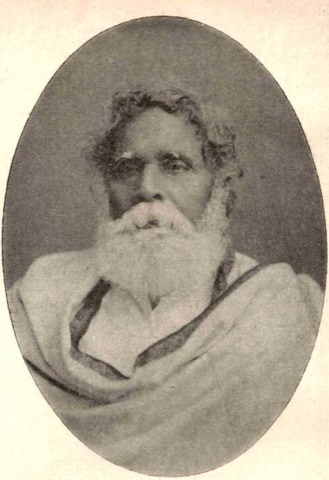
Rajnarayan Basu
Brahmo thinker and early nationalist, often called a grandfather of Indian nationalism; maternal grandfather of Sri Aurobindo.
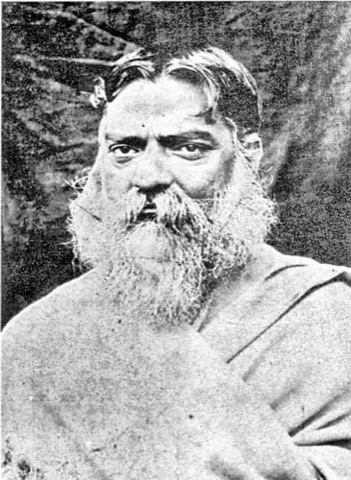
Krishna Kumar Mitra
Journalist and Swadeshi movement leader who edited Sanjibani; deported by the British in 1908.
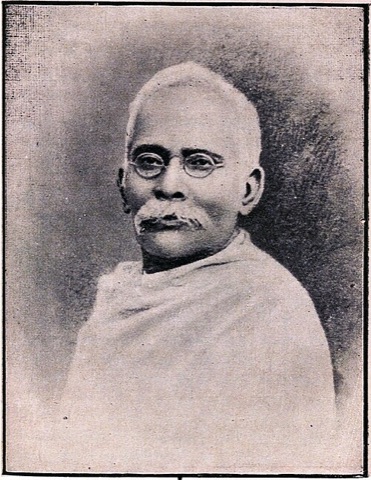
Ashwini Kumar Dutta
Educationist and Swadeshi leader of Barisal who led the anti-partition movement in Bengal.
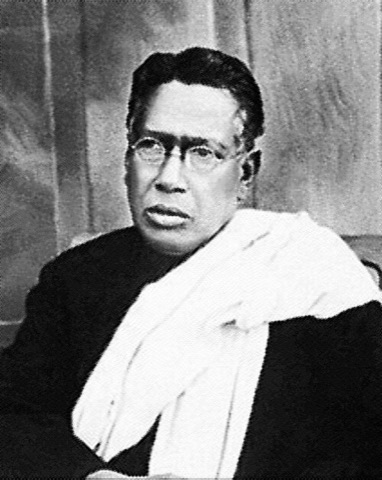
Bipin Chandra Pal
The 'Pal' of the Lal-Bal-Pal trio of radical nationalists; a fiery orator and editor who championed Swadeshi, boycott and national education after the 1905 Partition of Bengal.
Brajkishore Prasad
Bihar lawyer and Congress leader who worked with Gandhi in the 1917 Champaran Satyagraha.
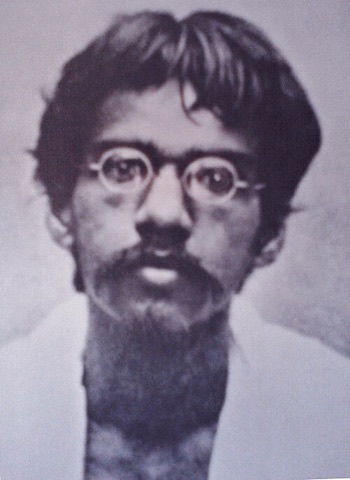
Barindra Kumar Ghosh
Founder of the Jugantar revolutionary group and accused in the Alipore Bomb Case; younger brother of Sri Aurobindo.
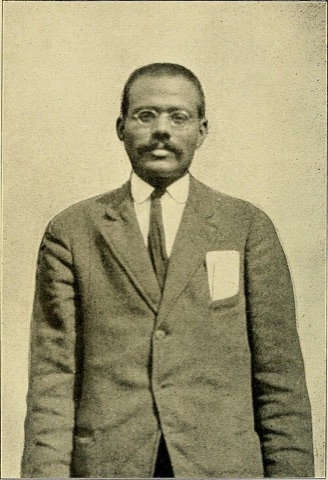
Lala Har Dayal
Scholar-revolutionary who co-founded the Ghadar Party in the United States to overthrow British rule.
Dhirendranath Datta
Lawyer and politician from Comilla who first demanded Bengali as a state language in Pakistan's Constituent Assembly in 1948; killed in 1971.
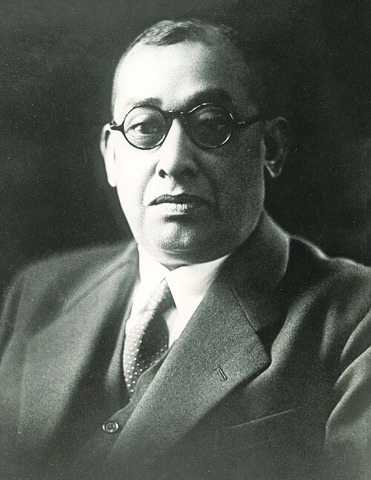
Rash Behari Bose
Revolutionary behind the 1912 attempt on Viceroy Hardinge and the Ghadar plot; from exile in Japan he founded the Indian Independence League and the first INA, later handed to Netaji.
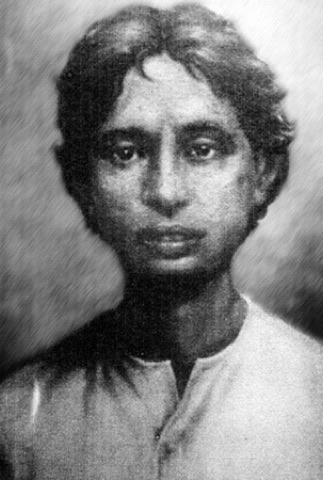
Khudiram Bose
One of the youngest revolutionaries of the freedom struggle; hanged at 18 in 1908 for the Muzaffarpur bombing aimed at magistrate Kingsford. Became a folk hero across Bengal.
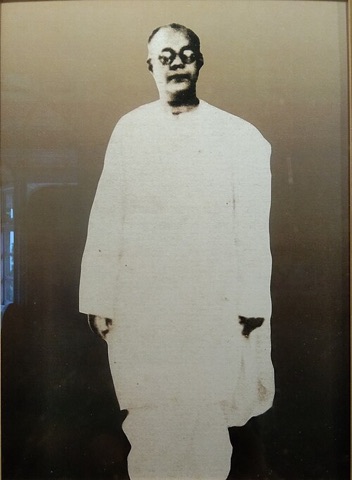
Sarat Chandra Bose
Barrister and Congress leader in Bengal, elder brother of Netaji and a key figure in the freedom struggle.
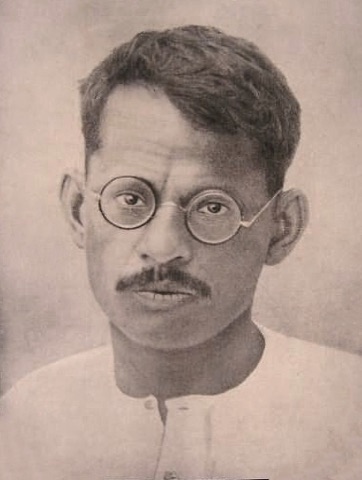
Ganesh Shankar Vidyarthi
Fearless journalist who founded the Hindi weekly Pratap in Kanpur and gave voice to peasants and revolutionaries; killed in 1931 while trying to stop communal riots.
Manikya Lal Verma
Rajasthan freedom fighter and Praja Mandal leader; Prime Minister of the United State of Rajasthan and Constituent Assembly member.
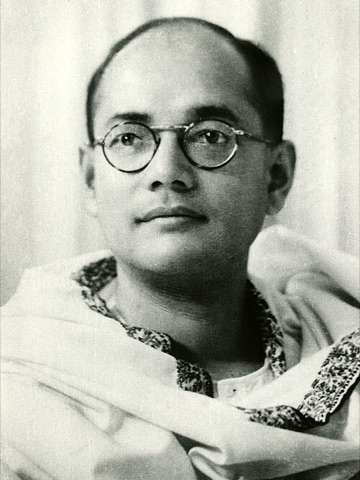
Netaji Subhas Chandra Bose
Twice Congress president who led the Azad Hind Fauj (INA) against British rule. His call 'Tum mujhe khoon do' made him a legend; his birthday is observed as Parakram Diwas.
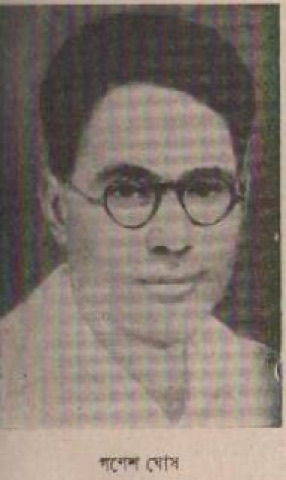
Ganesh Ghosh
Participant in the 1930 Chittagong armoury raid under Surya Sen; later a Communist MLA and MP.
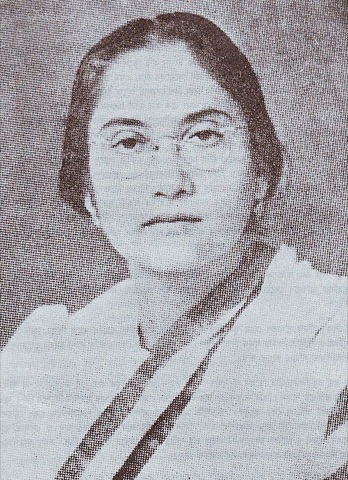
Leela Roy
Revolutionary and women's leader in Bengal, founder of Deepali Sangha and close associate of Subhas Chandra Bose.
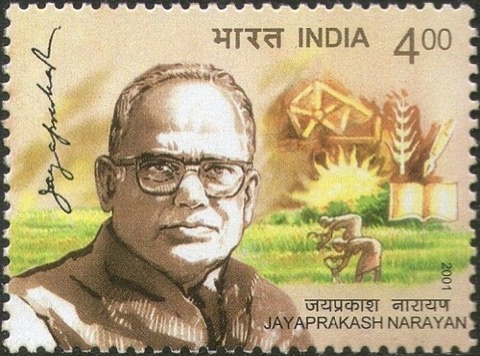
Jayaprakash Narayan (JP)
'Loknayak', Quit India hero who later led the 1974 Total Revolution movement against the Emergency, paving the way for the first non-Congress government. Bharat Ratna 1999.
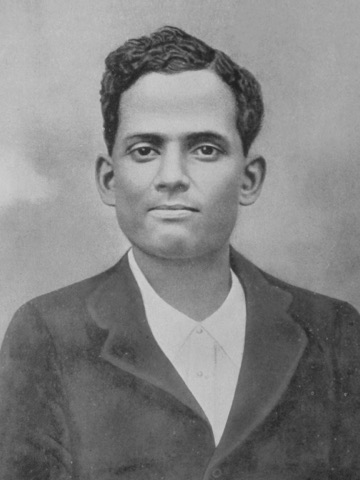
Jatindra Nath Das
Revolutionary who died in Lahore jail in 1929 after a 63-day hunger strike for the rights of political prisoners.
Shibban Lal Saxena
Freedom fighter and peasant leader from Gorakhpur; member of the Constituent Assembly and later MP.
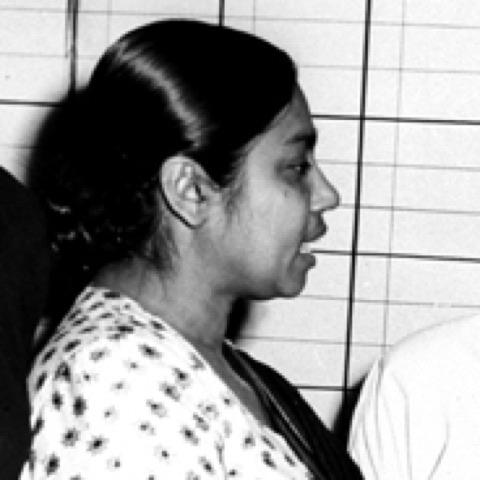
Sucheta Kripalani
Freedom fighter of the Quit India movement who became India's first woman Chief Minister (Uttar Pradesh).
Lalmohan Sen
Bengal revolutionary of the Jugantar group, associated with the Chittagong uprising.
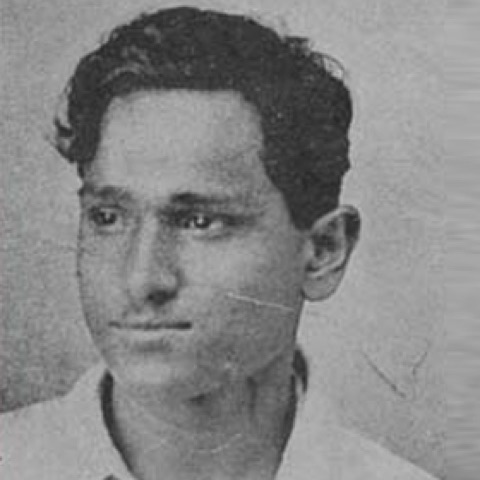
Batukeshwar Dutt
HSRA revolutionary who threw bombs in the Central Legislative Assembly with Bhagat Singh in 1929; later jailed in the Andamans.
Suniti Choudhury
Teenage revolutionary who, with Santi Ghosh, shot the Comilla district magistrate in 1931.
Public Life 28
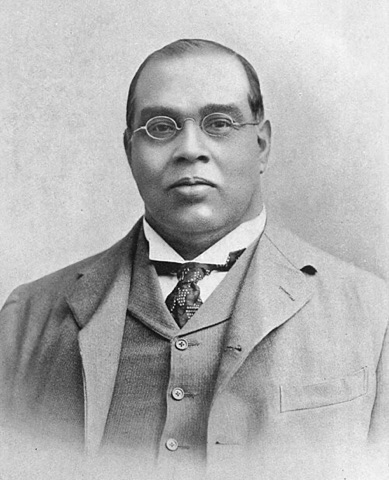
Romesh Chunder Dutt
ICS officer, economic historian and President of the Indian National Congress in 1899.
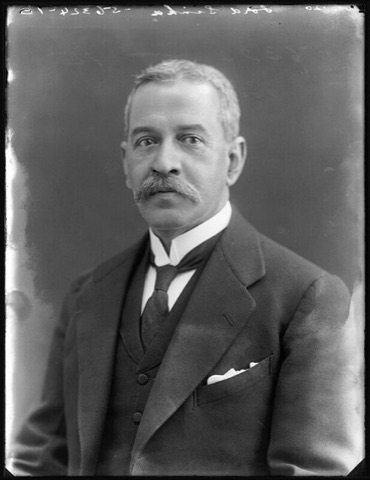
Lord S. P. Sinha
First Indian Advocate-General of Bengal, first Indian on the Viceroy's Executive Council, first Indian peer in the House of Lords and first Indian Governor of a province (Bihar & Orissa).
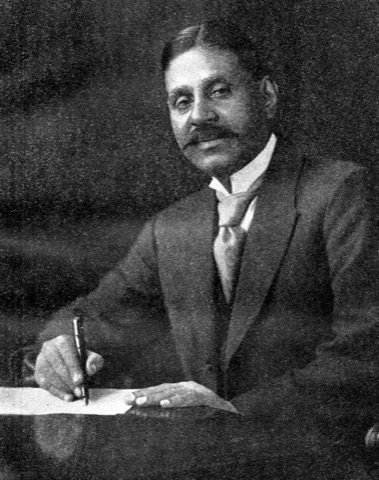
Dr. Sachchidananda Sinha
Lawyer and journalist who led the movement for a separate Bihar province and served as the first (interim) President of India's Constituent Assembly in December 1946.
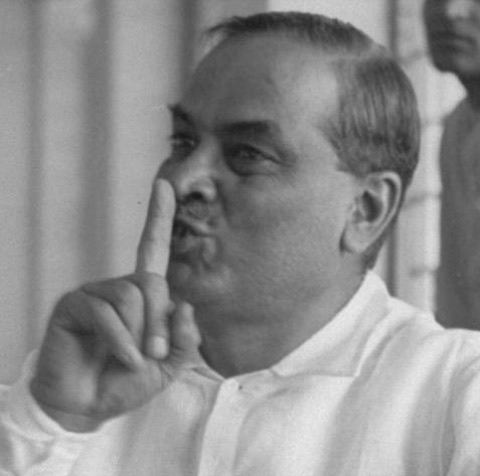
Dr. Bidhan Chandra Roy
Physician and second Chief Minister of West Bengal, builder of Durgapur, Kalyani and Salt Lake. India celebrates National Doctors' Day on his birth (and death) anniversary. Bharat Ratna 1961.
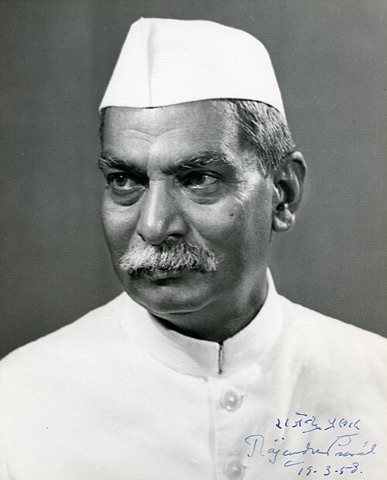
Dr. Rajendra Prasad
First President of India (1950–62), the only one to serve two full terms. Presided over the Constituent Assembly and was a close Gandhian associate from the Champaran days. Bharat Ratna 1962.
Prabodhankar Thackeray
Social reformer and writer, a leader of the Samyukta Maharashtra movement; father of Bal Thackeray.

Bindeshwari Prasad Verma
'Binda Babu', freedom-era Congress leader who served as the first Speaker of the Bihar Legislative Assembly after Independence, from 1946 to 1962.
Dr. Sampurnanand
Scholar-statesman, second Chief Minister of Uttar Pradesh and later Governor of Rajasthan; founded the Sanskrit university at Varanasi that now bears his name.
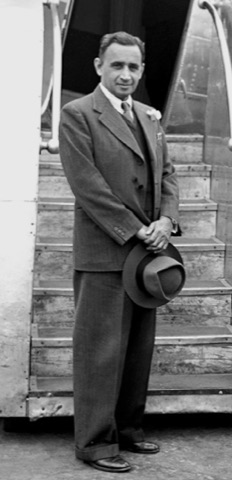
C. D. Deshmukh
First Indian Governor of the Reserve Bank of India and Union Finance Minister (1950–56).
Prafulla Chandra Sen
Gandhian freedom fighter who served as the third Chief Minister of West Bengal (1962–67).
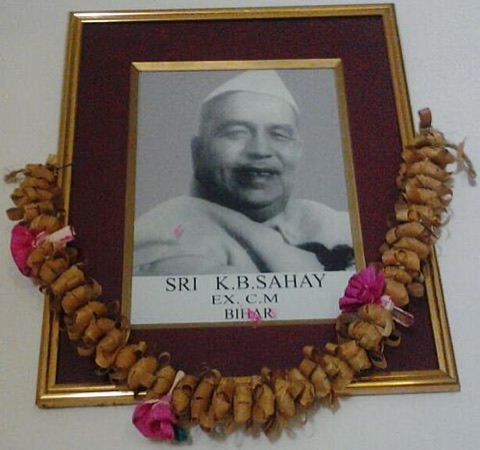
Krishna Ballabh Sahay
Freedom fighter and fourth Chief Minister of Bihar (1963–67); as Revenue Minister he drove the land reform law that abolished zamindari, and he laid foundations for industry in the state.
Atulya Ghosh
Powerful Bengal Congress leader and party treasurer, a central member of the 'Syndicate' in the 1960s.
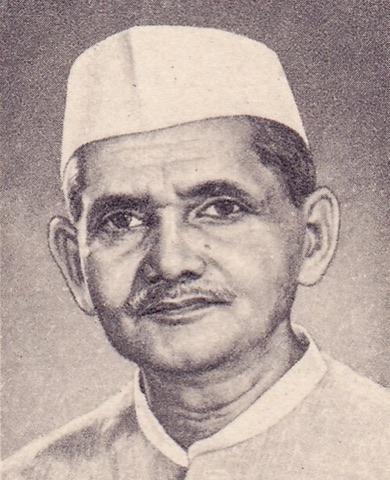
Lal Bahadur Shastri
Second Prime Minister of India. Led the country through the 1965 war, gave the slogan 'Jai Jawan Jai Kisan' and backed the Green and White Revolutions. Bharat Ratna (posthumous).

Mahamaya Prasad Sinha
Freedom fighter who became the first non-Congress Chief Minister of Bihar (1967–68) after defeating the sitting Chief Minister K. B. Sahay in the election.
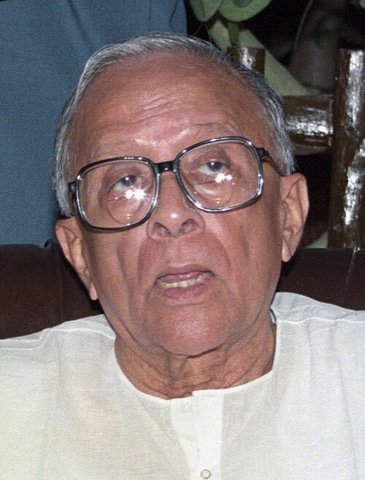
Jyoti Basu
Chief Minister of West Bengal for over 23 years (1977–2000), among India's longest-serving chief ministers; known for land reforms and panchayat empowerment.
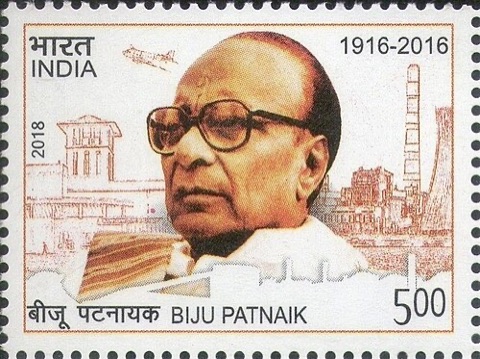
Biju Patnaik
Pilot, freedom fighter and twice Chief Minister of Odisha who flew daring missions for Indonesia's independence and shaped modern Odisha.
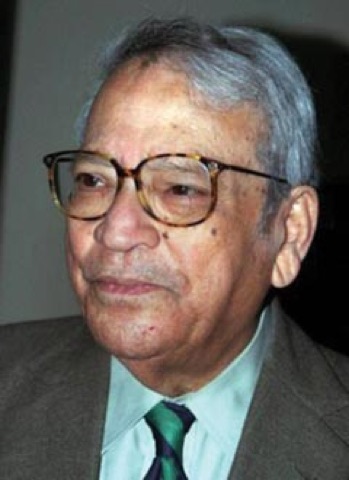
Siddhartha Shankar Ray
Chief Minister of West Bengal, Governor of Punjab, Union minister and Ambassador to the United States.
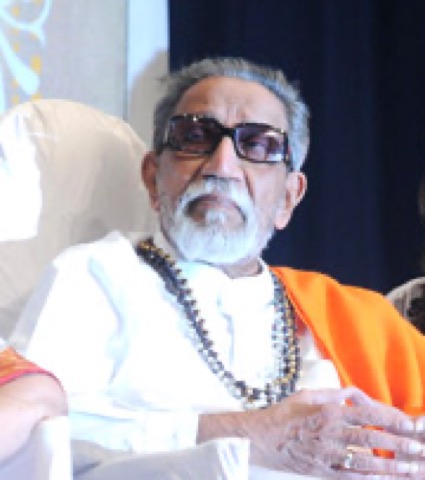
Bal Thackeray
Cartoonist-turned-politician who founded the Shiv Sena and dominated Maharashtra politics for decades.

Mrinal Gore
Socialist leader and Member of Parliament from Mumbai, known as 'Paniwali Bai' for her fight to bring water to the suburbs, and a lifelong voice for women, the poor and consumers.
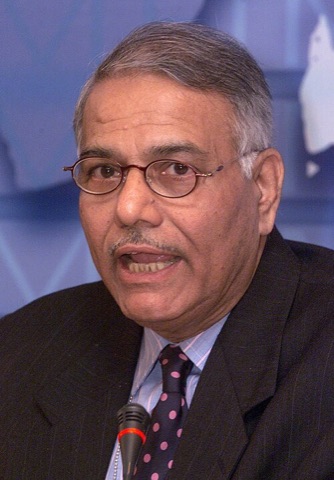
Yashwant Sinha
IAS officer turned politician; served as Union Finance Minister and External Affairs Minister, presenting several Union Budgets.
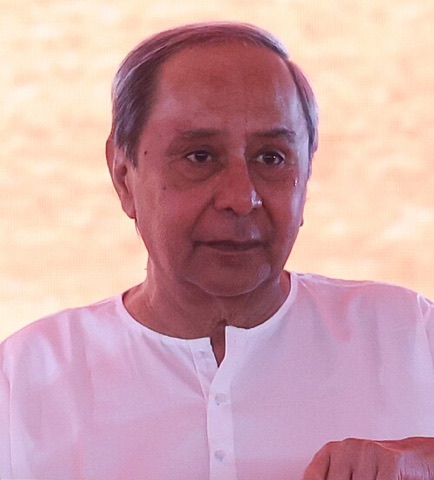
Naveen Patnaik
Chief Minister of Odisha for 24 years (2000–2024), the second-longest-serving chief minister in India, founder-leader of the Biju Janata Dal.
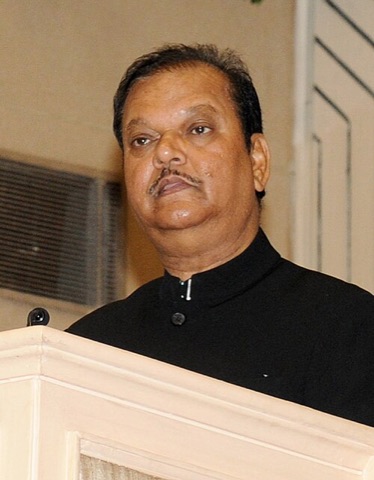
Subodh Kant Sahay
Congress leader from Jharkhand who served as Union Minister of Tourism and of Food Processing.
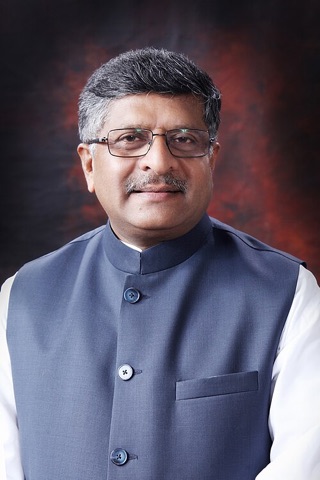
Ravi Shankar Prasad
Senior advocate and Union Minister for Law & Justice and for Electronics & IT, closely associated with the Digital India programme.
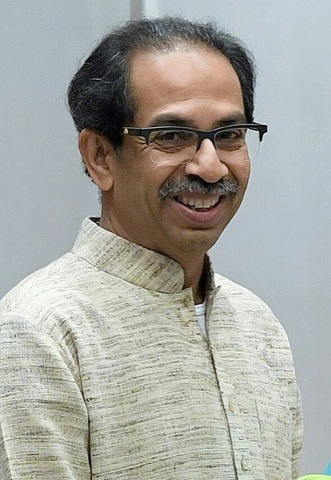
Uddhav Thackeray
Shiv Sena (UBT) leader and former Chief Minister of Maharashtra (2019–2022), son of Bal Thackeray.
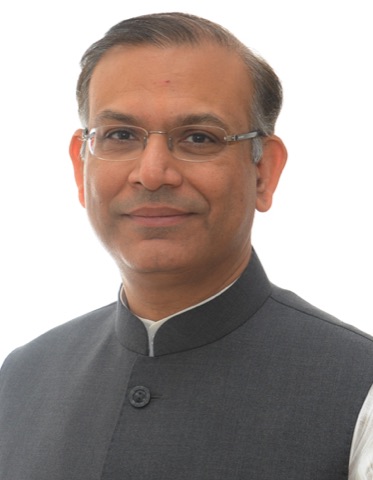
Jayant Sinha
Economist and former Union Minister of State for Finance and Civil Aviation; MP from Hazaribagh.
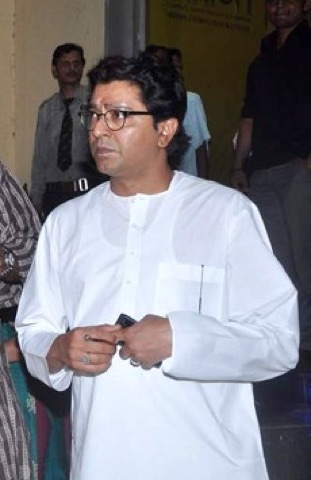
Raj Thackeray
Founder and president of the Maharashtra Navnirman Sena, nephew of Bal Thackeray and a noted cartoonist.
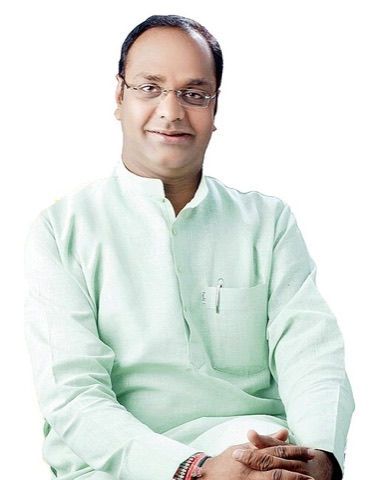
Vishvas Sarang
BJP leader and Madhya Pradesh cabinet minister, MLA from Narela, Bhopal.
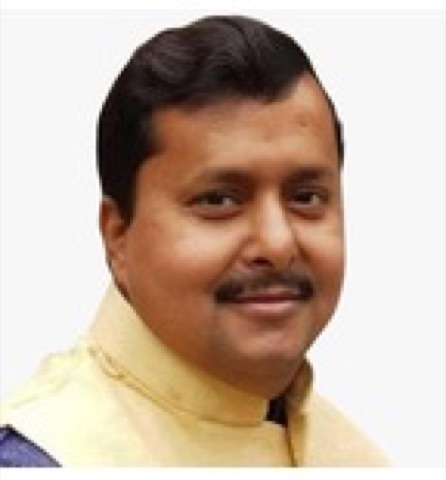
Nitin Nabin
BJP leader and multi-term MLA from Patna; Bihar cabinet minister.
Spiritual Leaders 14
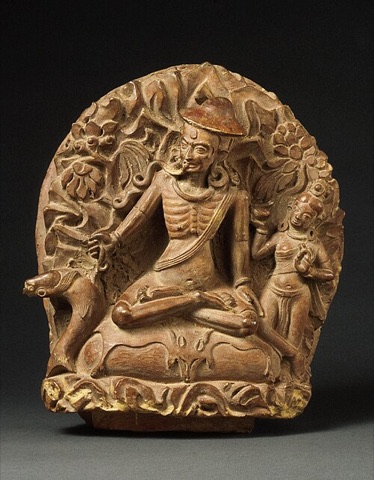
Luipa
Early Buddhist siddha and the first of the Charyapada poets, revered in Tibetan Vajrayana tradition.
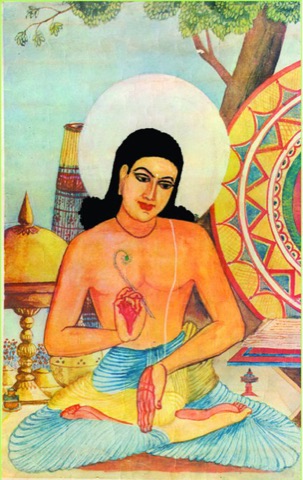
Srimanta Sankardev
Saint-scholar, poet, playwright and social reformer of Assam who founded the Ekasarana Vaishnava movement, the sattras and namghars, and created Borgeet music and Sattriya dance.
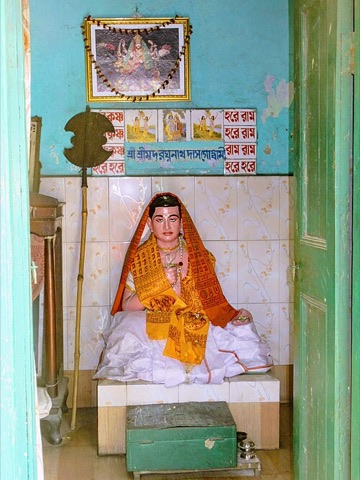
Raghunatha Dasa Goswami
One of the Six Goswamis of Vrindavan; renounced great wealth to follow Chaitanya Mahaprabhu.
Narottama Dasa Thakur
16th-century Gaudiya Vaishnava saint and poet whose kirtan songs remain central to Bengali devotional music.
Aniruddhadev
16th-century Assamese Vaishnava saint who founded the Mayamara satra.
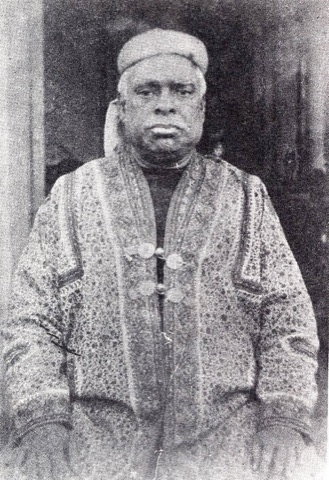
Bhaktivinoda Thakur
19th-century Gaudiya Vaishnava reformer, writer and magistrate who revived Chaitanya's movement in Bengal.
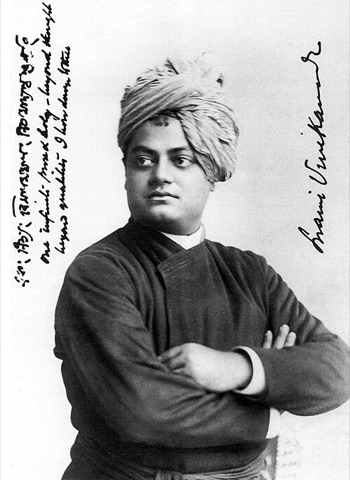
Swami Vivekananda
Monk and chief disciple of Ramakrishna; his 1893 Chicago address introduced Vedanta and Yoga to the West. Founded the Ramakrishna Mission. His birthday is India's National Youth Day.
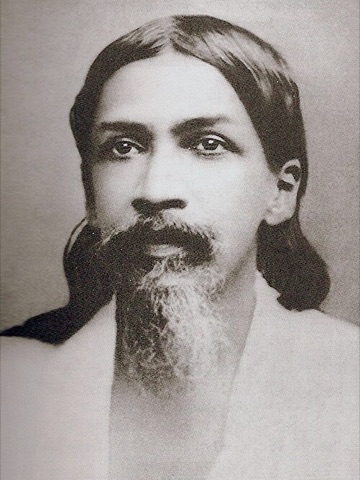
Sri Aurobindo
Revolutionary nationalist turned philosopher-yogi; developed Integral Yoga and founded the ashram at Pondicherry. Author of The Life Divine and Savitri.
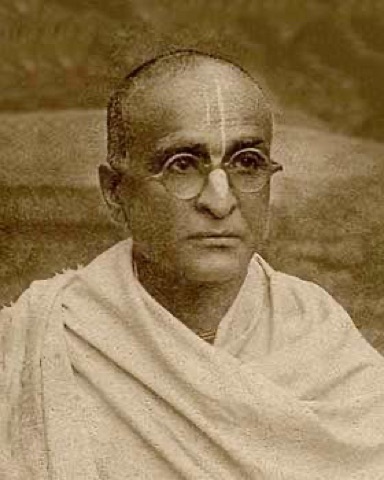
Bhaktisiddhanta Sarasvati
Founder of the Gaudiya Math; guru of the ISKCON founder and a key spreader of Vaishnavism in the 20th century.
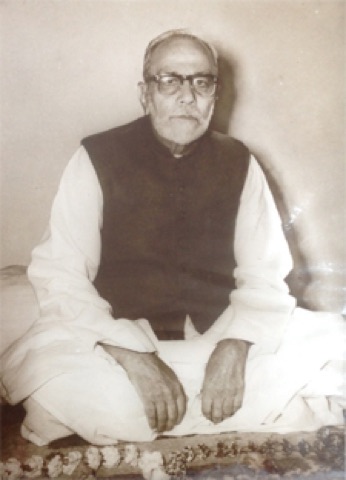
Chaturbhuj Sahay
Founder of the Ramashram Satsang in Mathura and a guru in the Sant Mat tradition.
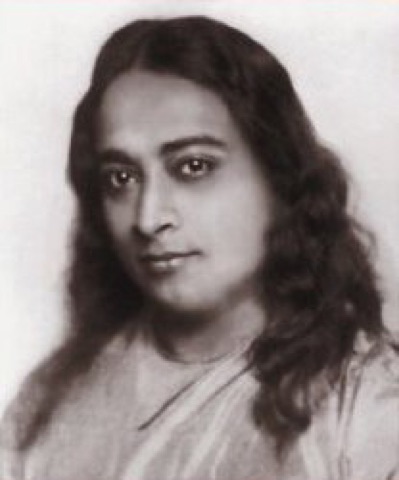
Paramahansa Yogananda
Yogi and author of Autobiography of a Yogi, one of the most read spiritual books worldwide; he brought Kriya Yoga to the West and founded the Self-Realization Fellowship in the USA.
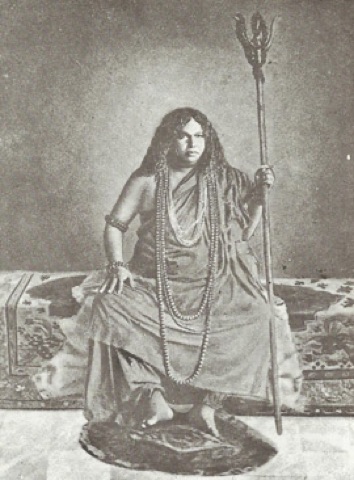
Swami Pranavananda
Founder of the Bharat Sevashram Sangha, a major Hindu monastic and humanitarian organisation.
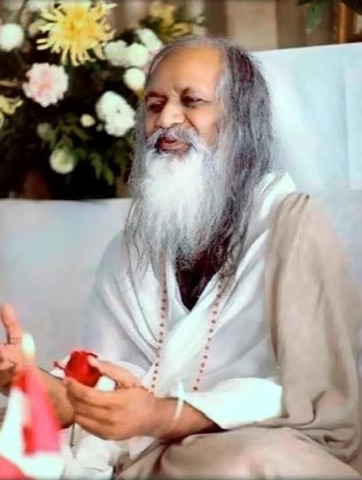
Maharishi Mahesh Yogi
Founder of the Transcendental Meditation movement, which spread worldwide from the 1960s; the Beatles were among his students, and he founded schools and universities in many countries.
Swami Niranjanananda Saraswati
Successor of Swami Satyananda and head of the Bihar School of Yoga at Munger, founder of Bihar Yoga Bharati; awarded the Padma Bhushan in 2017.
Literature 20
Govindadas
Sixteenth-century Maithili Vaishnava poet whose padavali songs on Radha-Krishna remain classics of Maithili literature.
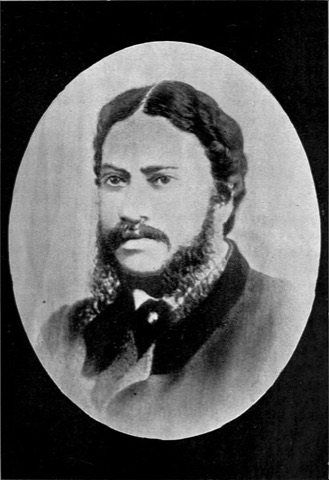
Michael Madhusudan Dutt
Father of the Bengali sonnet and of blank verse in Bengali; his epic Meghnad Badh Kavya is a landmark of the Bengal Renaissance.
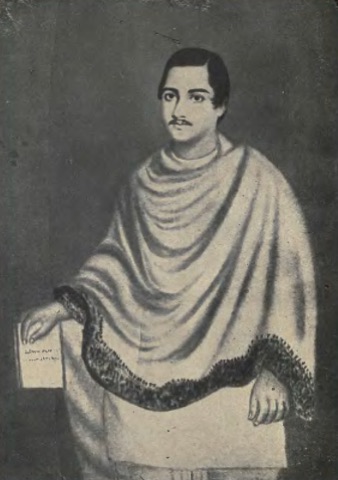
Kaliprasanna Singha
Bengali author of Hutom Pyanchar Naksha and sponsor of the first complete Bengali prose Mahabharata.
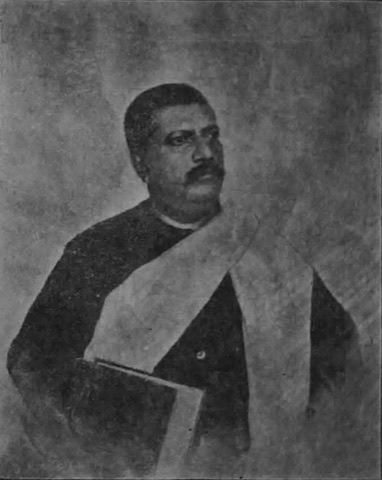
Kaliprosanna Ghosh
Bengali essayist and journalist of the nineteenth century, known for philosophical prose and editing Bandhab.
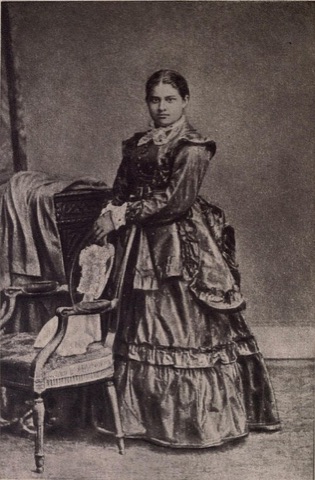
Toru Dutt
Pioneering Indian poet in English and French; A Sheaf Gleaned in French Fields and Ancient Ballads of Hindustan.
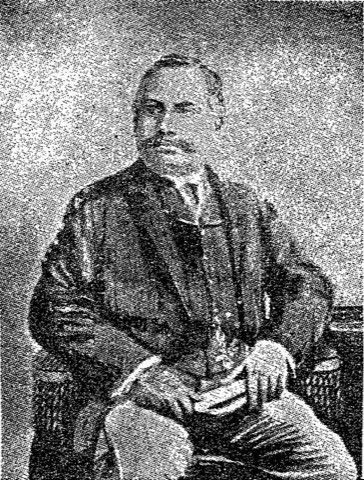
Manmohan Ghose
English-language poet and professor, among the first Indians to win recognition as a poet in England.
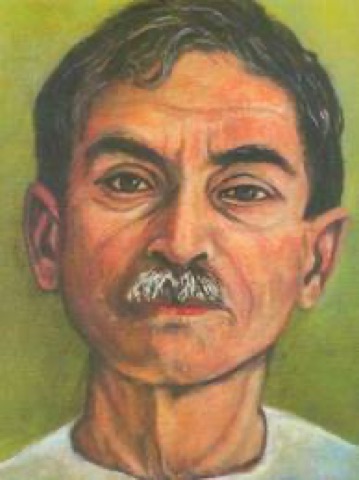
Munshi Premchand
'Upanyas Samrat' of Hindi–Urdu fiction; wrote some 300 stories and novels such as Godaan, Gaban and Idgah portraying rural India's poor with unmatched realism.
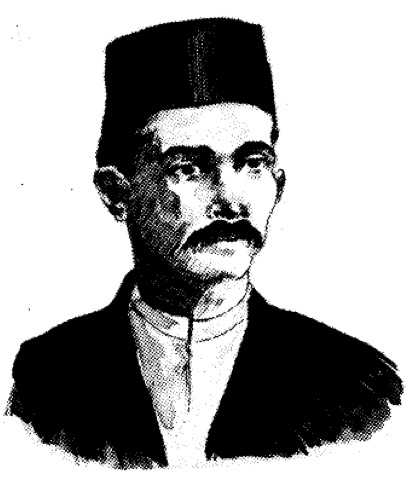
Ram Ganesh Gadkari
Celebrated Marathi playwright and poet (pen name Govindagraj), author of Ekach Pyala and Rajsanyas.
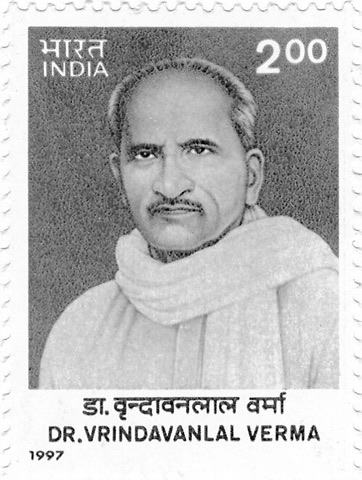
Dr. Vrindavan Lal Verma
Master of the Hindi historical novel, called the Walter Scott of Hindi, author of Jhansi ki Rani and Mrignayani; awarded the Padma Bhushan.
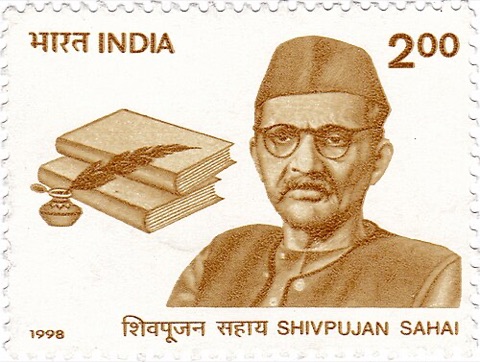
Acharya Shivpujan Sahay
Hindi novelist and editor of Matwala and Himalaya; author of Dehati Duniya and a leading Hindi prose stylist of Bihar.
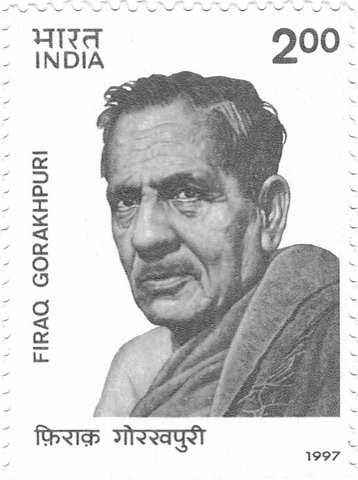
Firaq Gorakhpuri
One of the greatest Urdu poets of the 20th century, known for ghazals and rubais; first Urdu writer to win the Jnanpith Award (1969). Taught English at Allahabad University.
Bhagwati Charan Verma
Hindi novelist best known for Chitralekha (twice filmed) and Bhoole Bisre Chitra, which won the Sahitya Akademi Award. Padma Bhushan and Rajya Sabha member.
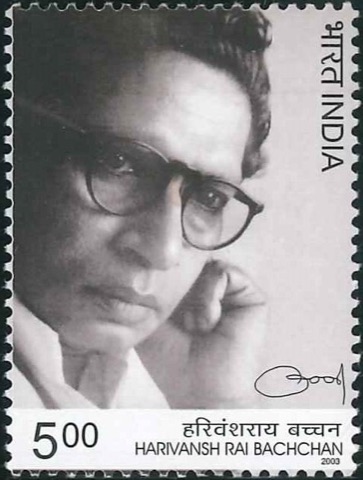
Harivansh Rai Bachchan
Leading Hindi poet famous for Madhushala; also a Cambridge PhD on Yeats and a Rajya Sabha member. Padma Bhushan 1976.
Mahadevi Varma
One of the four pillars of Chhayavad Hindi poetry, called the 'modern Meera'; also a pioneering advocate of women's education. Jnanpith Award and Padma Vibhushan.

Acharya Janaki Vallabh Shastri
Hindi and Sanskrit poet of Muzaffarpur whose lyrical songs and long literary career made him one of Bihar's best-loved writers.
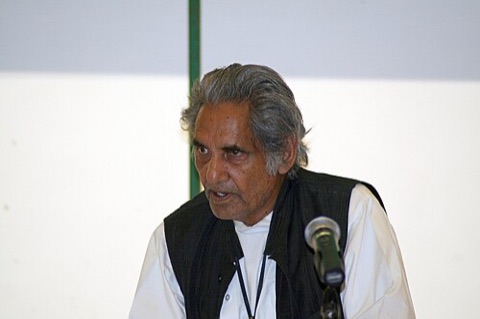
Gopaldas Neeraj
Beloved Hindi poet and film lyricist ('Kaarvan guzar gaya', 'Likhe jo khat tujhe'); awarded the Padma Shri and Padma Bhushan and won three Filmfare Awards for lyrics.
Dharamvir Bharati
Hindi poet, novelist and playwright (Gunahon Ka Devta, Andha Yug); long-time editor of the influential weekly Dharmyug. Padma Shri 1972.
Badri Narain Sinha
Hindi critic, poet and journalist; his Prathmiki is a landmark of Hindi criticism, written while serving as an IPS officer.
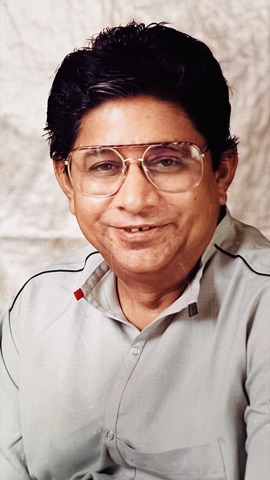
Shrikant Verma
Hindi poet of the Nayi Kavita movement, author of Magadh, and later a Rajya Sabha member.

Dr. Shefalika Verma
Leading Maithili poet and author who also writes in Hindi and English; winner of the Sahitya Akademi Award for her autobiography Kist-Kist Jeevan.
Scholarship & Reform 6
Gourishankar Ray
Odia journalist and editor of Utkal Dipika, a pioneer of Odia printing and the Odia language movement.
Brajendranath De
ICS officer and scholar of Persian and Sanskrit who translated the Tabaqat-i-Akbari into English.
Nagendranath Basu
Compiler of the Bengali encyclopaedia Vishwakosh, archaeologist and social historian.
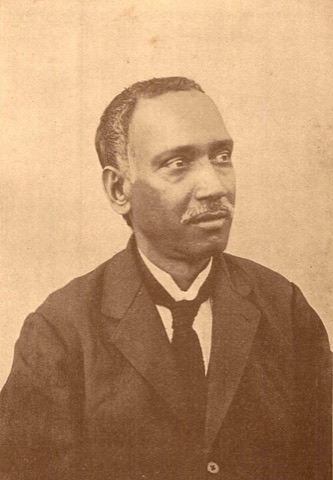
Sir Jadunath Sarkar
Eminent historian of the Mughal era and Aurangzeb; first Indian Vice-Chancellor of Calcutta University.
Vasudeo Sitaram Bendrey
Maratha historian whose archival research produced the authentic portrait and chronology of Shivaji.
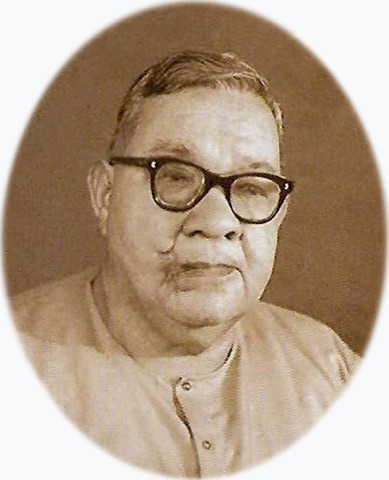
Sukumar Sen
Foremost linguist and historian of Bengali literature; author of the multi-volume Bangala Sahityer Itihas.
Science 15
Bakul Kayastha
Assamese mathematician whose arithmetic treatise Kitabat Manjari set standards for royal accounting.
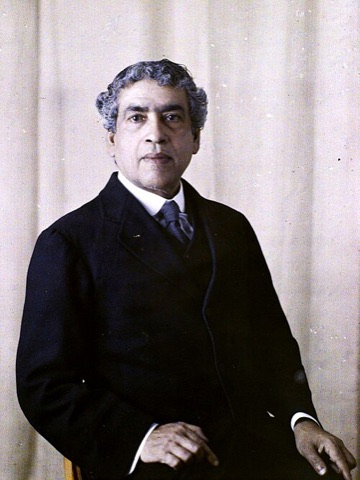
Sir Jagadish Chandra Bose
Pioneer of radio and microwave optics and of plant physiology; invented the crescograph and showed plants respond to stimuli. Considered a father of Indian experimental science.
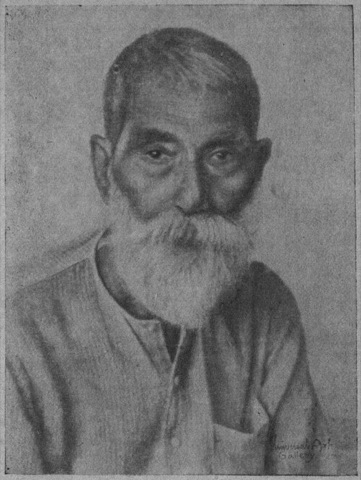
Acharya Prafulla Chandra Ray
Father of Indian chemistry; discovered mercurous nitrite and founded Bengal Chemicals, India's first pharmaceutical company.
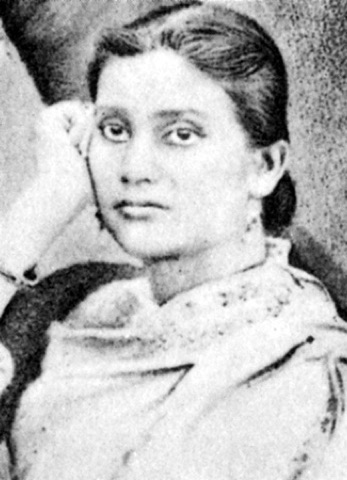
Kadambini Ganguly
Among the first Indian women to qualify as doctors of Western medicine (1886) and a pioneering practising physician.
Haimabati Sen
Pioneering 19th-century Bengali woman physician who overcame widowhood to practise medicine and wrote a noted memoir.
Hem Chandra Bose
Co-developed the Henry fingerprint classification system and devised a fingerprint telegraphic code.
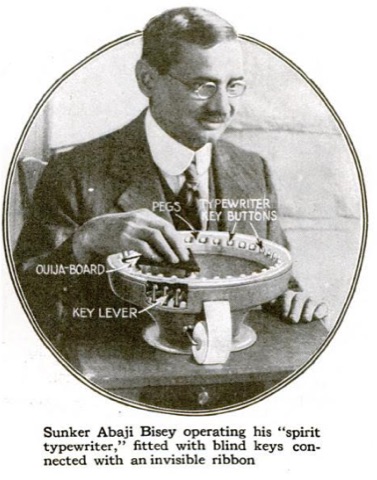
Shankar Abaji Bhise
Self-taught inventor hailed as the 'Edison of India'; devised typecasting and printing machines patented abroad.
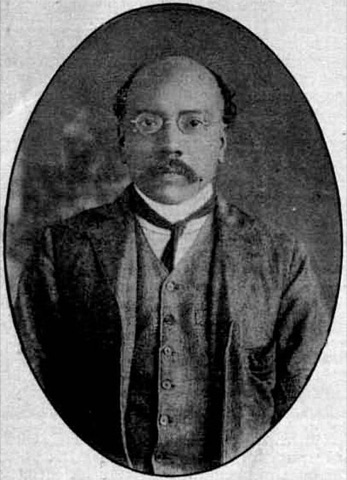
Ganesh Prasad
Cambridge- and Göttingen-trained mathematician who pioneered Indian research in potential theory and Fourier series.
Debaprasad Ghosh
Mathematics professor and educationist, later president of the Bharatiya Jana Sangh.
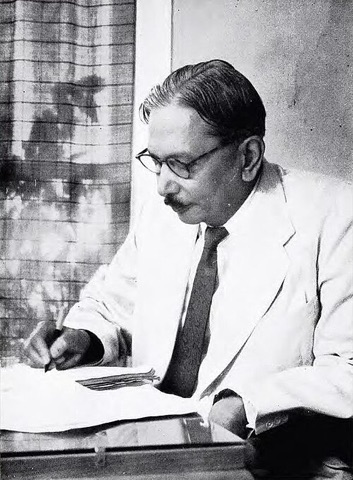
Jnan Chandra Ghosh
Physical chemist known for his theory of strong electrolytes; first director of IIT Kharagpur and Director of IISc.
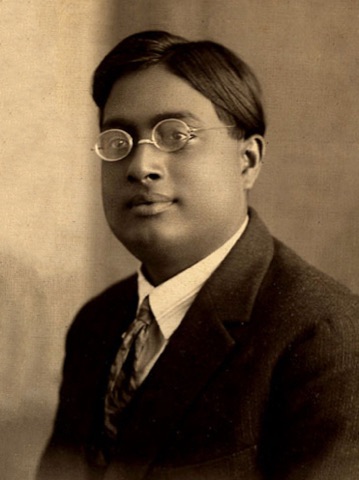
Satyendra Nath Bose
Physicist whose work with Einstein produced Bose–Einstein statistics and the Bose–Einstein condensate; the particle class 'boson' is named after him. Padma Vibhushan.
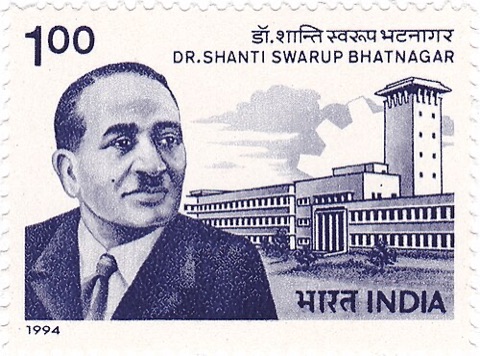
Sir Shanti Swarup Bhatnagar
Chemist and founding Director-General of CSIR, who set up India's chain of national laboratories. India's top science award, the S. S. Bhatnagar Prize, is named after him.
Probir Roy
Particle physicist at TIFR, known for work in theoretical high-energy physics.
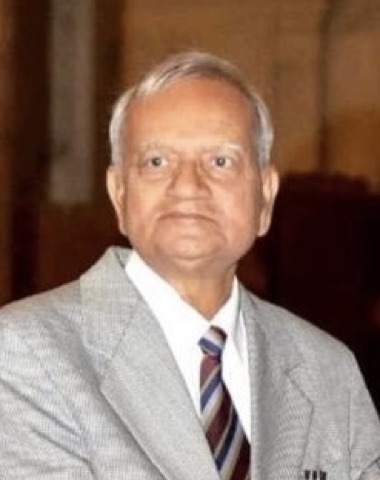
Dr. Manas Bihari Verma
Aeronautical scientist at DRDO who played a key role in developing the Tejas light combat aircraft; Padma Shri.
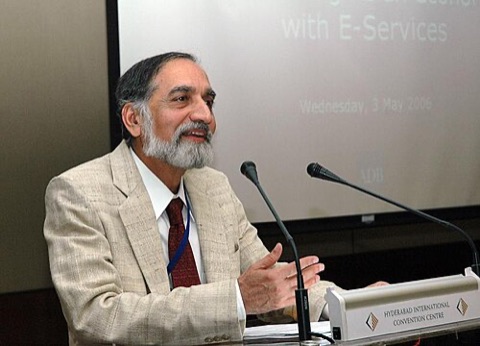
Kiran Karnik
ISRO space-applications scientist behind the SITE satellite TV experiment; later headed Discovery India and NASSCOM.
Law & Administration 11
Rango Bapuji Gupte
19th-century envoy who pleaded the deposed Raja of Satara's case in London for over a decade.
Govind Narain
ICS officer who served as Union Home Secretary, Defence Secretary and Governor of Karnataka.
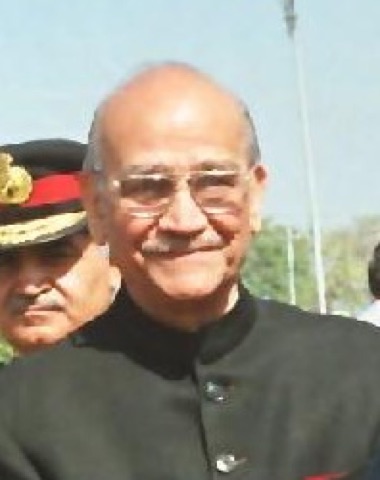
Girish Chandra Saxena
IPS officer, Director of R&AW, and twice Governor of Jammu and Kashmir.
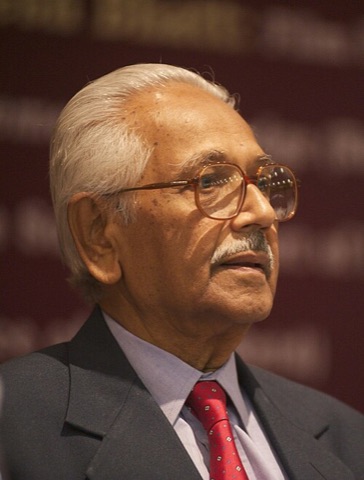
Justice J. S. Verma
27th Chief Justice of India; author of the Vishaka guidelines and chair of the Verma Committee on criminal law reform.
Dinesh Nandan Sahay
IPS officer and Bihar DGP who became the first Governor of Chhattisgarh and later Governor of Tripura.
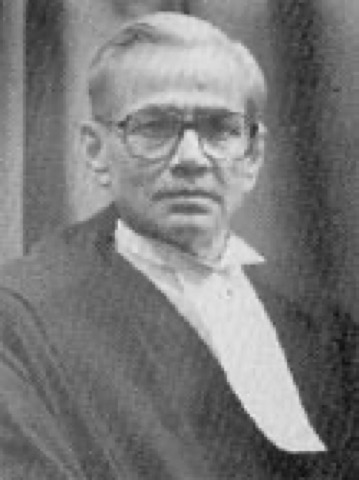
Justice V. N. Khare
33rd Chief Justice of India (2002–2004).
Justice S. B. Sinha
Judge of the Supreme Court of India and former Chief Justice of the Delhi High Court.
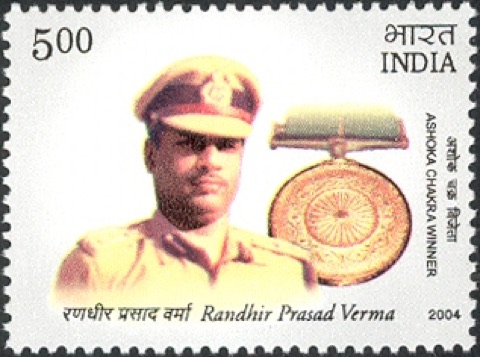
Randhir Prasad Verma, AC
IPS officer killed while foiling a bank robbery in Dhanbad; posthumously awarded the Ashoka Chakra.
Ranjit Sinha
IPS officer who served as Director of the Central Bureau of Investigation (2012–2014).
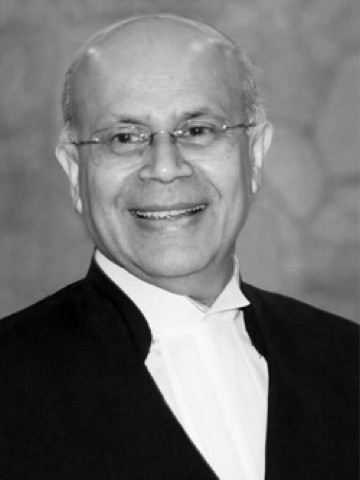
Justice Navin Sinha
Judge of the Supreme Court of India and former Chief Justice of the Rajasthan High Court.
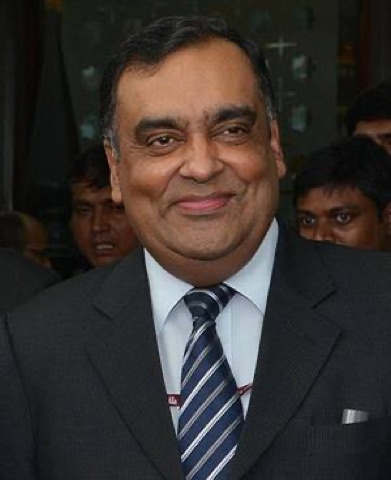
Yashvardhan Kumar Sinha
Indian Foreign Service diplomat; High Commissioner to the UK and later Chief Information Commissioner.
Armed Forces 6
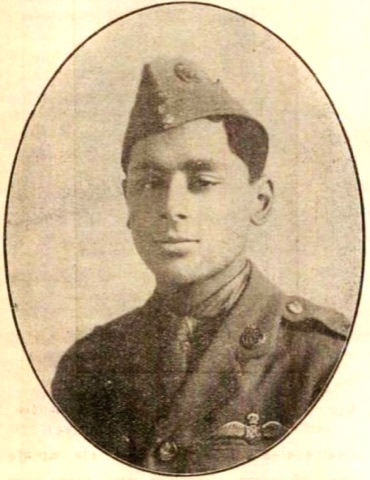
Indra Lal Roy, DFC
India's only World War I flying ace, with ten aerial victories; awarded the Distinguished Flying Cross.
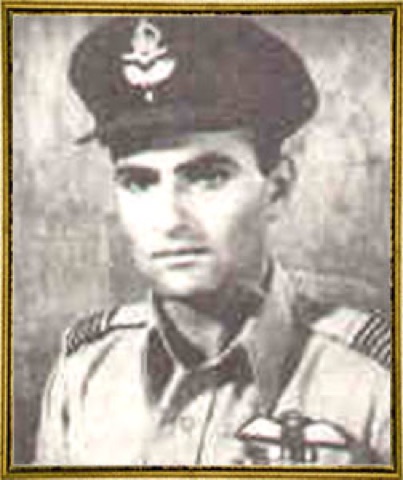
Air Chief Marshal Hrushikesh Moolgavkar
9th Chief of the Air Staff; Maha Vir Chakra recipient.
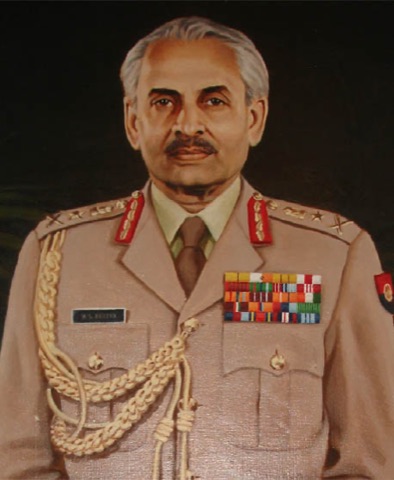
General Arun Shridhar Vaidya
13th Chief of the Army Staff, from a Chandraseniya Kayastha Prabhu family; decorated with two Maha Vir Chakras for the 1965 and 1971 wars and the Param Vishisht Seva Medal.
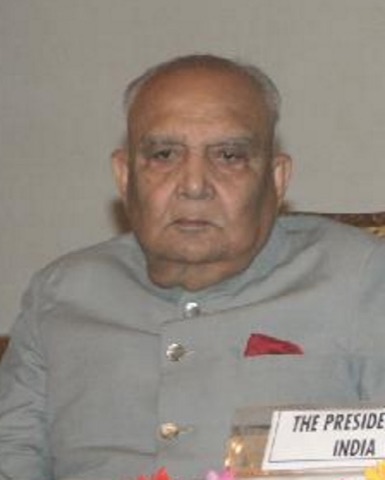
Lt Gen S. K. Sinha
Vice Chief of Army Staff, later Ambassador to Nepal and Governor of Assam and of Jammu and Kashmir.
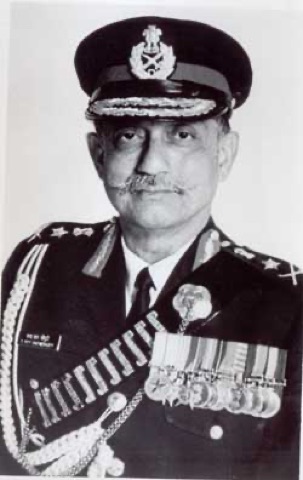
General Shankar Roychowdhury
Chief of the Army Staff of the Indian Army (1994–1997), later a Rajya Sabha member.
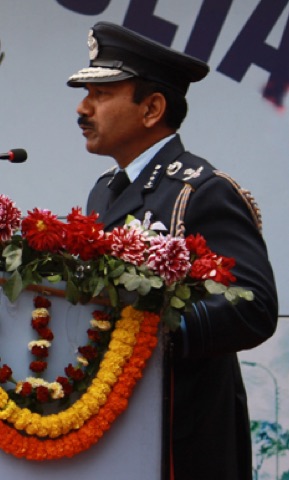
Air Chief Marshal Arup Raha
21st Chief of the Air Staff and Chairman of the Chiefs of Staff Committee.
Cinema & Music 36
Preeti Nigam
Hindi television and film actress with a long career in Hindi TV serials.
Radharaman Dutta
19th-century Bengali mystic poet-composer, pioneer of the Dhamail folk song and dance tradition.
Niranjan Pal
Screenwriter and filmmaker associated with the founding of Bombay Talkies; wrote the story of Achhut Kanya.
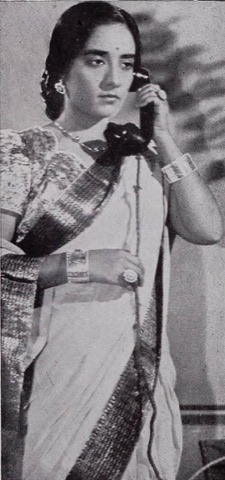
Rattan Bai
Early Indian sound-film actress and singer of the 1930s, matriarch of the Samarth film family.
Birendra Krishna Bhadra
Bengali broadcaster and actor whose All India Radio recitation of Mahishasuramardini is a Durga Puja tradition.
Kumarsen Samarth
Film director and pioneer of the Films Division of India; father of actresses Nutan and Tanuja.
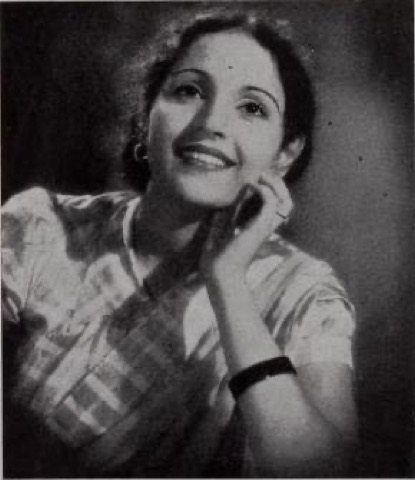
Shobhna Samarth
Actress and filmmaker of the 1930s–50s, famous as Sita in Ram Rajya; mother of Nutan and Tanuja.
Chitragupta
Hindi and Bhojpuri film composer of the 1950s–70s; scored the first Bhojpuri film Ganga Maiyya Tohe Piyari Chadhaibo and classics in Oonche Log and Bhabhi.
Barin Mazumder
Bangladeshi classical musician and educator who founded a pioneering music college in Dhaka.
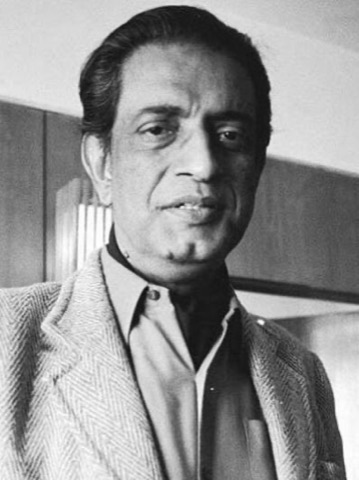
Satyajit Ray
World-renowned filmmaker of the Apu Trilogy, Charulata and Jalsaghar; also author of the Feluda stories. Honorary Oscar 1992 and Bharat Ratna.
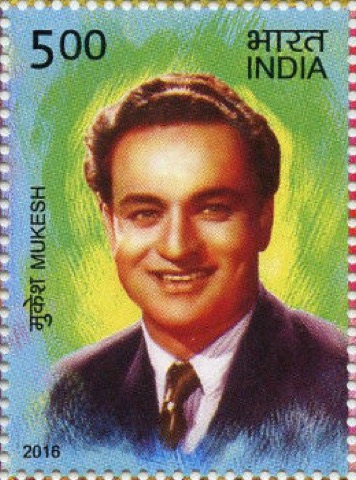
Mukesh
Beloved playback singer, the voice of Raj Kapoor, with songs like 'Kahin Door Jab Din Dhal Jaaye'; won the National Award for 'Kai Baar Yuhi Dekha Hai'.
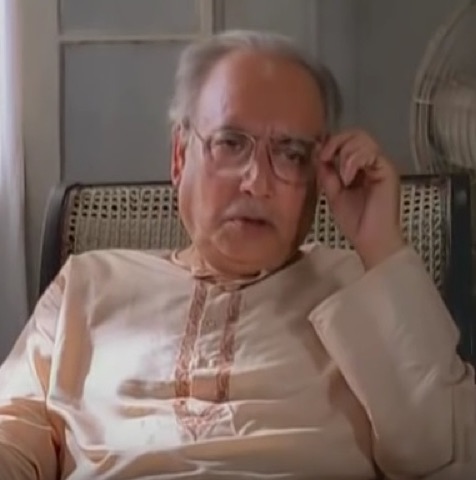
Basanta Choudhury
Distinguished Bengali film actor of the 1950s–1980s, noted for historical and character roles.
Sheila Dhar
Hindustani classical singer of the Kirana gharana and author of the memoir Raga'n Josh.
Shyamal Mitra
Iconic Bengali playback singer, composer and film producer of the golden era of Bengali music.
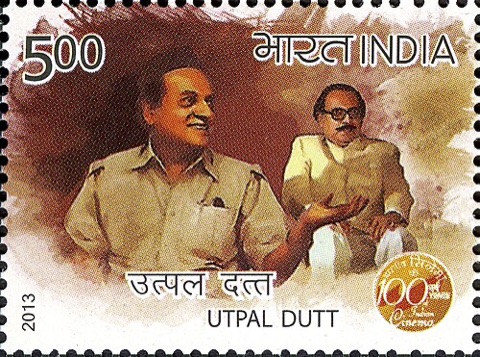
Utpal Dutt
Legendary Bengali theatre director and actor, beloved in Hindi comedies such as Gol Maal.
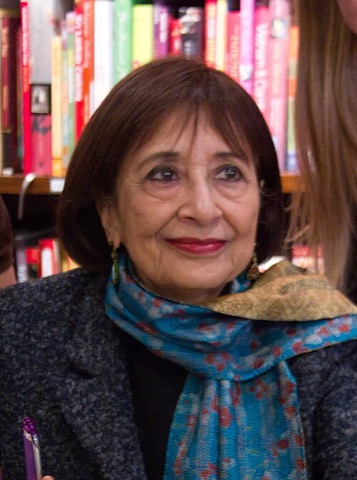
Madhur Jaffrey
Award-winning actress and world-renowned writer and television presenter on Indian cookery.
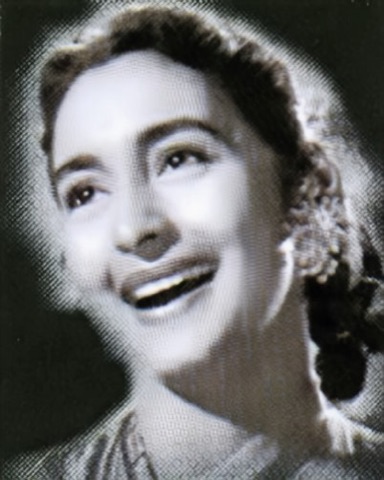
Nutan
Five-time Filmfare Best Actress and one of Hindi cinema's greatest actresses (Bandini, Sujata).
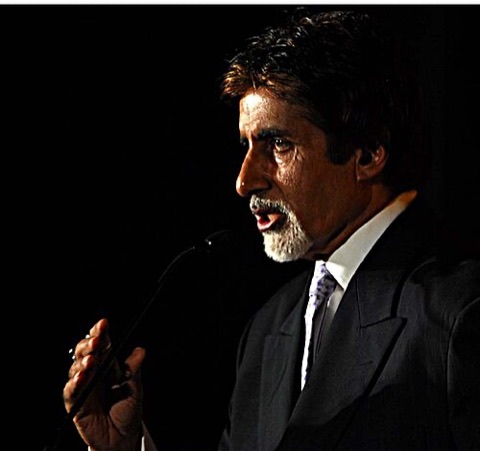
Amitabh Bachchan
The 'Shahenshah' of Hindi cinema, star of Zanjeer, Deewaar and Sholay; host of Kaun Banega Crorepati. Dadasaheb Phalke Award and Padma Vibhushan.
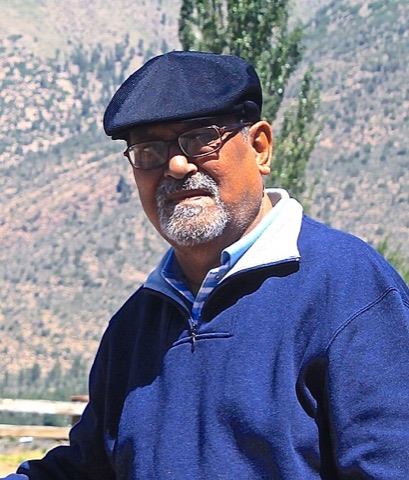
Debu Bose
Indian film actor and former dancer who appeared in over 120 films across four decades.
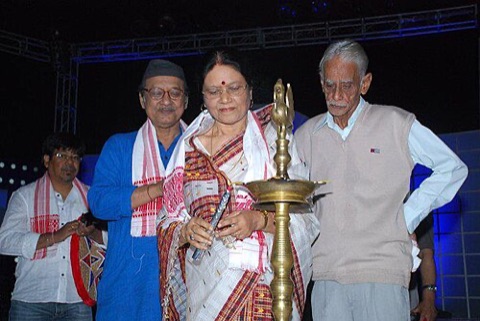
Khagen Mahanta
Assamese folk and Bihu singer who brought Assamese folk music to a national audience.
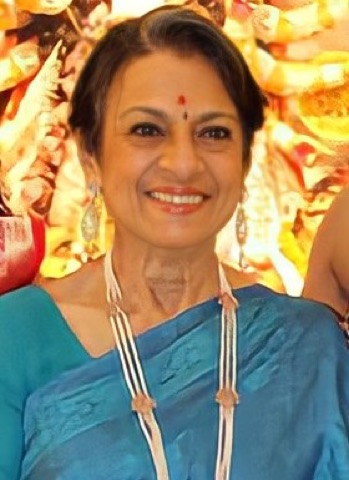
Tanuja
Hindi and Bengali film actress of the 1960s–70s, known for Jewel Thief and Anubhav.
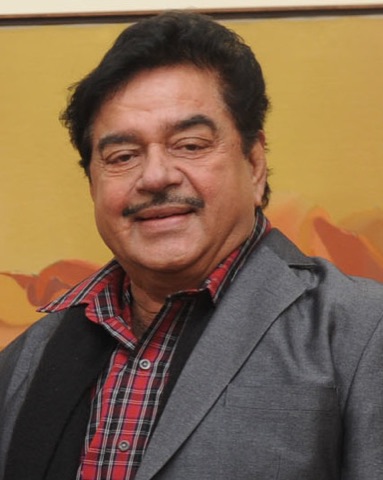
Shatrughan Sinha
'Shotgun' of Hindi cinema, known for Kalicharan and Vishwanath and his trademark 'Khamosh!'; later a Union Minister and Member of Parliament.
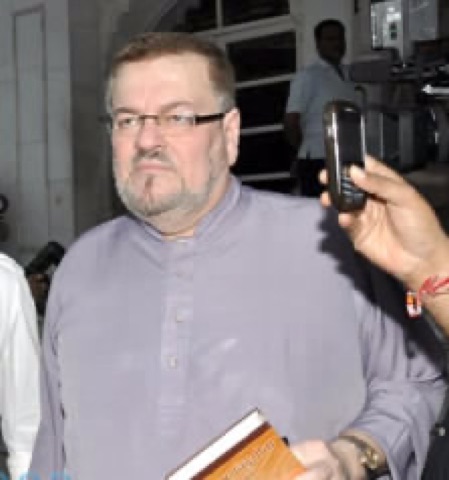
Nitin Mukesh
Hindi film playback singer, son of Mukesh, known for his songs in Hindi films of the 1980s.
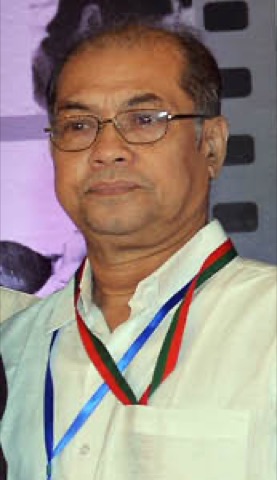
Subir Nandi
Bangladeshi playback and modern song singer, recipient of the Ekushey Padak.
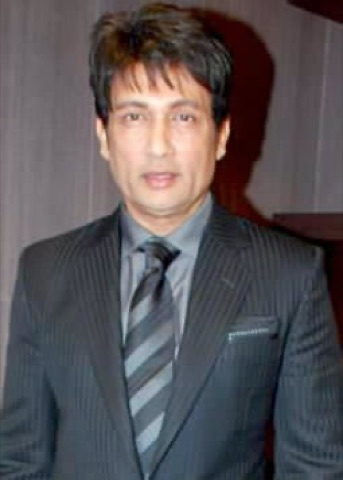
Shekhar Suman
Actor, television host and producer who debuted in Utsav (1984) and became a household name with Dekh Bhai Dekh and the satirical talk show Movers & Shakers.
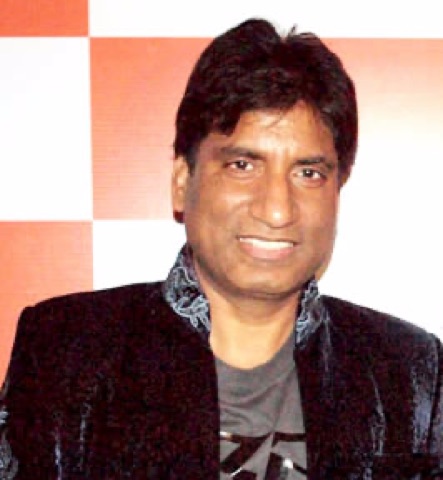
Raju Srivastav
Celebrated Hindi stand-up comedian and actor, famous for his character Gajodhar.
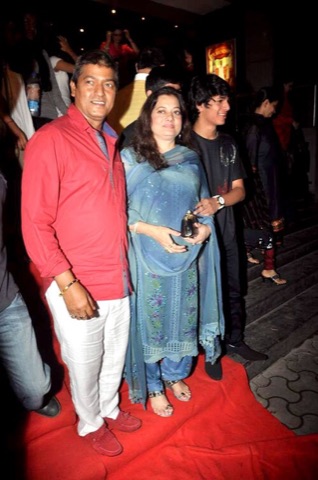
Aadesh Shrivastava
Bollywood music composer and singer, known for the scores of Baghban and Chalte Chalte.
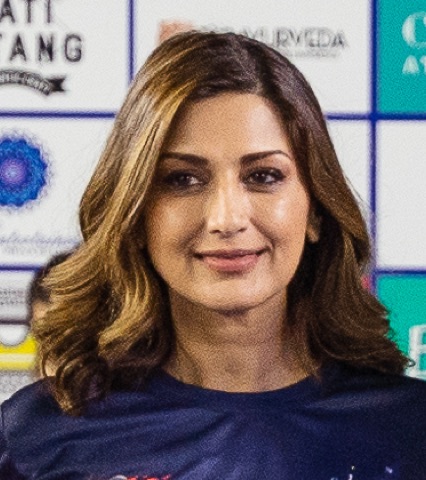
Sonali Bendre
Hindi film actress of the 1990s (Sarfarosh, Hum Saath-Saath Hain) and television judge.
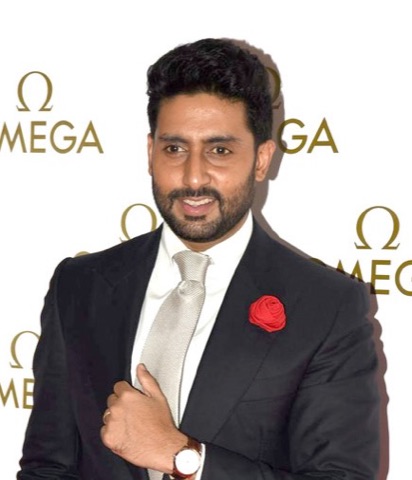
Abhishek Bachchan
Hindi film actor known for Yuva, Guru and the Dhoom series; son of Amitabh Bachchan and grandson of the poet Harivansh Rai Bachchan.
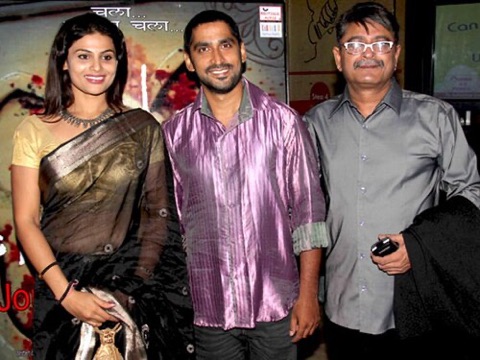
Chinmay Mandlekar
Marathi actor, writer and director, known for playing Shivaji Maharaj on screen.
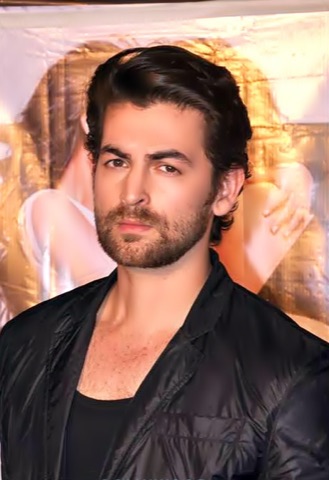
Neil Nitin Mukesh
Hindi film actor known for Johnny Gaddaar, New York and Players; grandson of the singer Mukesh.
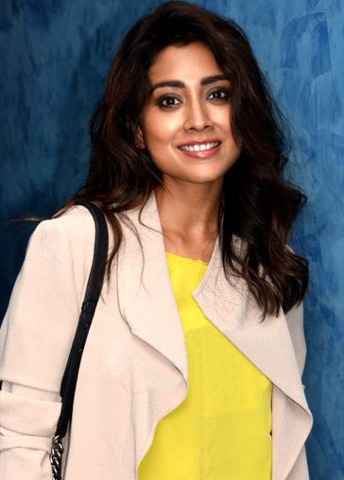
Shriya Saran
Leading actress in Telugu, Tamil and Hindi cinema, known for Sivaji and Drishyam.
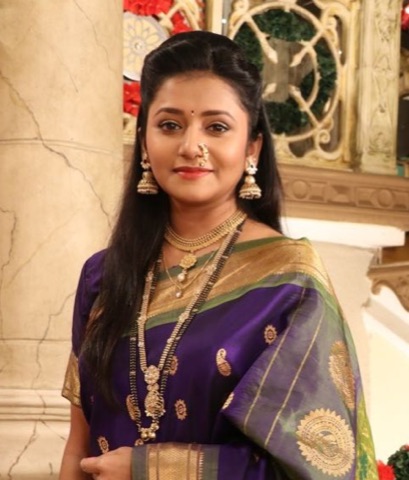
Jui Gadkari
Marathi television actress known for Pudhcha Paaul and Tharala Tar Mag.
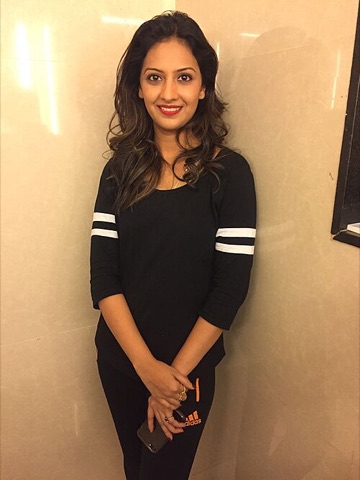
Tejashri Pradhan
Marathi television and film actress, popular for the serial Honar Suun Mee Hya Gharchi.
Smrity Sinha
Actress working mainly in Bhojpuri films and Hindi television serials.
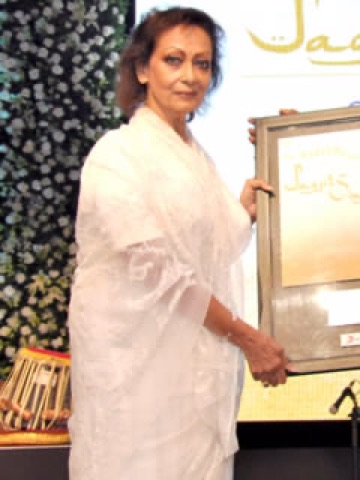
Chitra Singh
Ghazal singer who, with her husband Jagjit Singh, popularised the ghazal in the 1970s and 1980s.
Arts 10
Durgabar Kayastha
16th-century Assamese poet and Ojapali performer from Kamakhya, composer of the Giti Ramayana.
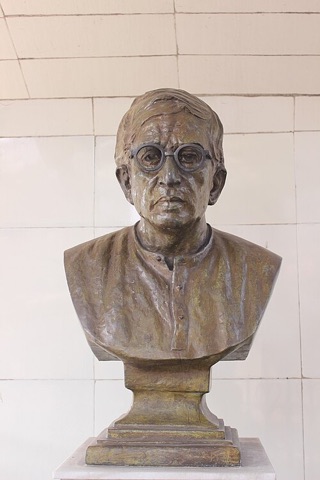
Jamini Roy
Pioneer of modern Indian art who drew on Bengali folk traditions; Padma Bhushan awardee.
Jagdamba Devi
Pioneering Madhubani painter, the first Mithila artist to receive the Padma Shri.
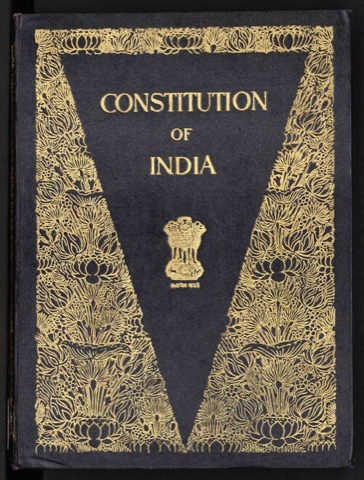
Prem Behari Narain Raizada
Calligrapher who hand-wrote the original Constitution of India in flowing italic script.
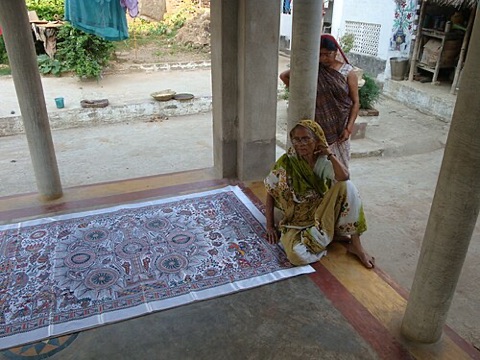
Mahasundari Devi
Madhubani painting master and Padma Shri awardee who helped popularise Mithila art.
Ranen Ayan Dutt
Indian painter, illustrator and advertising artist from Sylhet, noted for murals and portraits.
Ganga Devi
Renowned Madhubani painter of the kachni line-drawing style, Padma Shri awardee.
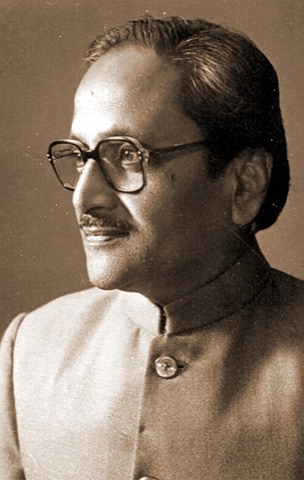
Beohar Rammanohar Sinha
Artist who helped illuminate and decorate the original manuscript of the Constitution of India.
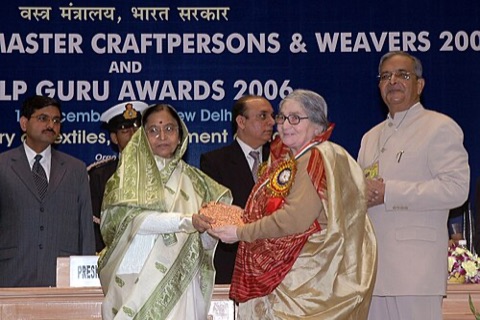
Godawari Dutta
Mithila (Madhubani) painter in the Kayastha kachni style, awarded the Padma Shri.
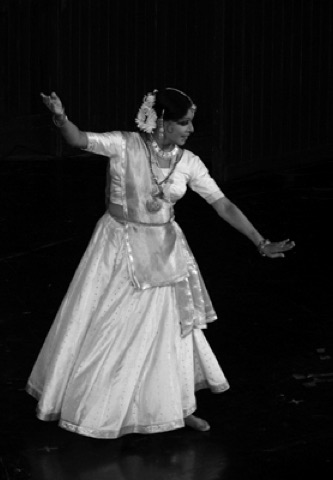
Shovana Narayan
Internationally acclaimed Kathak dancer and choreographer who also served as an officer of the Indian Audit and Accounts Service; awarded the Padma Shri and the Sangeet Natak Akademi Award.
Sports 1
Business 1
History & Heritage 13
Ambadeva
13th-century Kayastha chief in Andhra who broke away from Kakatiya rule and ruled an independent territory.
Govinda Vidyadhara
Minister who seized the Odisha throne in 1541 and founded the Bhoi dynasty.
Kashiram Das
17th-century poet whose Bengali Mahabharata became the best-loved version of the epic in Bengal.
Khando Ballal Chitnis
Chitnis (secretary) to Sambhaji and Rajaram; helped secure the Maratha state after Sambhaji's death.
Maladhar Basu
15th-century Bengali poet whose Sri Krishna Vijaya is among the earliest Bengali Vaishnava narrative poems.
Murarbaji Deshpande
Maratha commander under Shivaji who died defending Purandar fort against the Mughals in 1665.
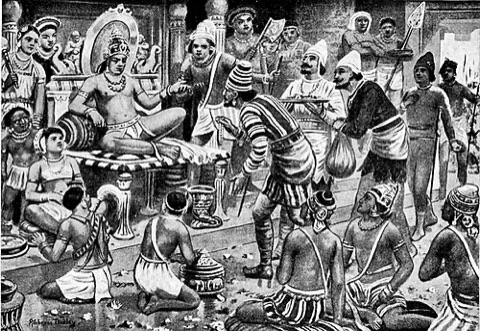
Pulakeshin II
Chalukya emperor of Vatapi (ruled c. 610–642) who halted Harshavardhana's march into the Deccan at the Narmada and built a vast empire in the south.
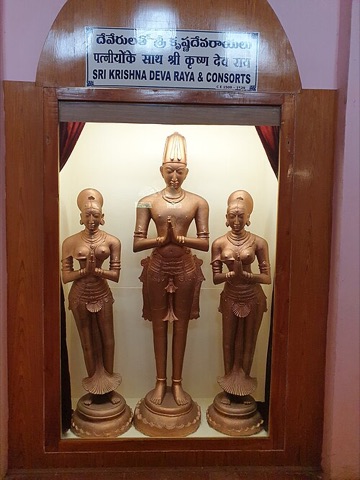
Krishnadevaraya
Greatest emperor of the Vijayanagara Empire (ruled 1509–1529), celebrated for military success, prosperity and patronage of Telugu, Kannada and Sanskrit literature.
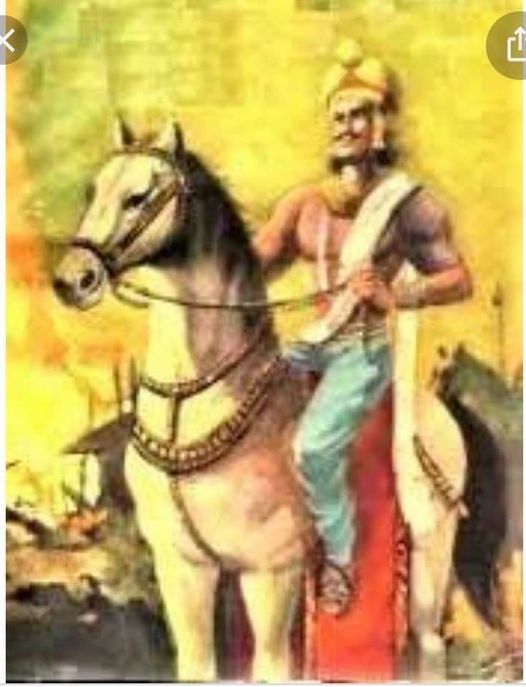
Maharaja Pratapaditya
Kayastha king of Jessore and the most powerful of Bengal's Baro-Bhuyan chiefs, who resisted the Mughals in the early 17th century; a hero of Bengali historical memory.
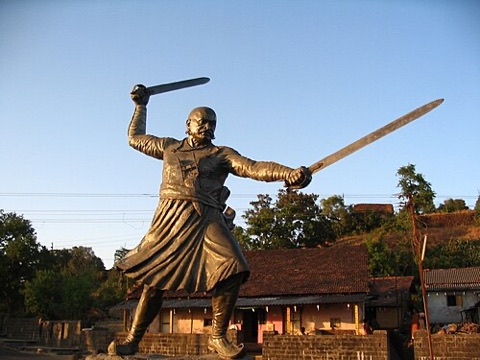
Baji Prabhu Deshpande
Maratha commander who held the pass at Pavan Khind in 1660 so that Shivaji could escape.
Sakharam Hari Gupte
Maratha general and secretary under Peshwa Bajirao I, prominent in 18th-century Maratha campaigns.
Raja Tikait Rai
Diwan (finance minister) of Awadh under Nawab Asaf-ud-Daula, known for public works in Lucknow.
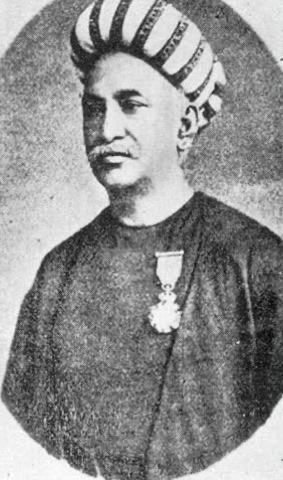
Rajendralal Mitra
Pioneering 19th-century Indologist and first Indian president of the Asiatic Society of Bengal.
Global 2
Ambadeva
13th-century Kayastha chief in Andhra who broke away from Kakatiya rule and ruled an independent territory.
Govinda Vidyadhara
Minister who seized the Odisha throne in 1541 and founded the Bhoi dynasty.
Govindadas
Sixteenth-century Maithili Vaishnava poet whose padavali songs on Radha-Krishna remain classics of Maithili literature.
Kashiram Das
17th-century poet whose Bengali Mahabharata became the best-loved version of the epic in Bengal.
Khando Ballal Chitnis
Chitnis (secretary) to Sambhaji and Rajaram; helped secure the Maratha state after Sambhaji's death.
Luipa
Early Buddhist siddha and the first of the Charyapada poets, revered in Tibetan Vajrayana tradition.
Maladhar Basu
15th-century Bengali poet whose Sri Krishna Vijaya is among the earliest Bengali Vaishnava narrative poems.
Murarbaji Deshpande
Maratha commander under Shivaji who died defending Purandar fort against the Mughals in 1665.
Preeti Nigam
Hindi television and film actress with a long career in Hindi TV serials.
Pulakeshin II
Chalukya emperor of Vatapi (ruled c. 610–642) who halted Harshavardhana's march into the Deccan at the Narmada and built a vast empire in the south.
Rango Bapuji Gupte
19th-century envoy who pleaded the deposed Raja of Satara's case in London for over a decade.
Bakul Kayastha
Assamese mathematician whose arithmetic treatise Kitabat Manjari set standards for royal accounting.
Srimanta Sankardev
Saint-scholar, poet, playwright and social reformer of Assam who founded the Ekasarana Vaishnava movement, the sattras and namghars, and created Borgeet music and Sattriya dance.
Krishnadevaraya
Greatest emperor of the Vijayanagara Empire (ruled 1509–1529), celebrated for military success, prosperity and patronage of Telugu, Kannada and Sanskrit literature.
Raghunatha Dasa Goswami
One of the Six Goswamis of Vrindavan; renounced great wealth to follow Chaitanya Mahaprabhu.
Durgabar Kayastha
16th-century Assamese poet and Ojapali performer from Kamakhya, composer of the Giti Ramayana.
Narottama Dasa Thakur
16th-century Gaudiya Vaishnava saint and poet whose kirtan songs remain central to Bengali devotional music.
Aniruddhadev
16th-century Assamese Vaishnava saint who founded the Mayamara satra.
Maharaja Pratapaditya
Kayastha king of Jessore and the most powerful of Bengal's Baro-Bhuyan chiefs, who resisted the Mughals in the early 17th century; a hero of Bengali historical memory.
Baji Prabhu Deshpande
Maratha commander who held the pass at Pavan Khind in 1660 so that Shivaji could escape.
Sakharam Hari Gupte
Maratha general and secretary under Peshwa Bajirao I, prominent in 18th-century Maratha campaigns.
Raja Tikait Rai
Diwan (finance minister) of Awadh under Nawab Asaf-ud-Daula, known for public works in Lucknow.
Michael Madhusudan Dutt
Father of the Bengali sonnet and of blank verse in Bengali; his epic Meghnad Badh Kavya is a landmark of the Bengal Renaissance.
Rajendralal Mitra
Pioneering 19th-century Indologist and first Indian president of the Asiatic Society of Bengal.
Rajnarayan Basu
Brahmo thinker and early nationalist, often called a grandfather of Indian nationalism; maternal grandfather of Sri Aurobindo.
Radharaman Dutta
19th-century Bengali mystic poet-composer, pioneer of the Dhamail folk song and dance tradition.
Bhaktivinoda Thakur
19th-century Gaudiya Vaishnava reformer, writer and magistrate who revived Chaitanya's movement in Bengal.
Gourishankar Ray
Odia journalist and editor of Utkal Dipika, a pioneer of Odia printing and the Odia language movement.
Kaliprasanna Singha
Bengali author of Hutom Pyanchar Naksha and sponsor of the first complete Bengali prose Mahabharata.
Kaliprosanna Ghosh
Bengali essayist and journalist of the nineteenth century, known for philosophical prose and editing Bandhab.
Romesh Chunder Dutt
ICS officer, economic historian and President of the Indian National Congress in 1899.
Brajendranath De
ICS officer and scholar of Persian and Sanskrit who translated the Tabaqat-i-Akbari into English.
Krishna Kumar Mitra
Journalist and Swadeshi movement leader who edited Sanjibani; deported by the British in 1908.
Ashwini Kumar Dutta
Educationist and Swadeshi leader of Barisal who led the anti-partition movement in Bengal.
Toru Dutt
Pioneering Indian poet in English and French; A Sheaf Gleaned in French Fields and Ancient Ballads of Hindustan.
Bipin Chandra Pal
The 'Pal' of the Lal-Bal-Pal trio of radical nationalists; a fiery orator and editor who championed Swadeshi, boycott and national education after the 1905 Partition of Bengal.
Sir Jagadish Chandra Bose
Pioneer of radio and microwave optics and of plant physiology; invented the crescograph and showed plants respond to stimuli. Considered a father of Indian experimental science.
Acharya Prafulla Chandra Ray
Father of Indian chemistry; discovered mercurous nitrite and founded Bengal Chemicals, India's first pharmaceutical company.
Kadambini Ganguly
Among the first Indian women to qualify as doctors of Western medicine (1886) and a pioneering practising physician.
Lord S. P. Sinha
First Indian Advocate-General of Bengal, first Indian on the Viceroy's Executive Council, first Indian peer in the House of Lords and first Indian Governor of a province (Bihar & Orissa).
Swami Vivekananda
Monk and chief disciple of Ramakrishna; his 1893 Chicago address introduced Vedanta and Yoga to the West. Founded the Ramakrishna Mission. His birthday is India's National Youth Day.
Haimabati Sen
Pioneering 19th-century Bengali woman physician who overcame widowhood to practise medicine and wrote a noted memoir.
Nagendranath Basu
Compiler of the Bengali encyclopaedia Vishwakosh, archaeologist and social historian.
Hem Chandra Bose
Co-developed the Henry fingerprint classification system and devised a fingerprint telegraphic code.
Shankar Abaji Bhise
Self-taught inventor hailed as the 'Edison of India'; devised typecasting and printing machines patented abroad.
Manmohan Ghose
English-language poet and professor, among the first Indians to win recognition as a poet in England.
Sir Jadunath Sarkar
Eminent historian of the Mughal era and Aurangzeb; first Indian Vice-Chancellor of Calcutta University.
Dr. Sachchidananda Sinha
Lawyer and journalist who led the movement for a separate Bihar province and served as the first (interim) President of India's Constituent Assembly in December 1946.
Sri Aurobindo
Revolutionary nationalist turned philosopher-yogi; developed Integral Yoga and founded the ashram at Pondicherry. Author of The Life Divine and Savitri.
Bhaktisiddhanta Sarasvati
Founder of the Gaudiya Math; guru of the ISKCON founder and a key spreader of Vaishnavism in the 20th century.
Ganesh Prasad
Cambridge- and Göttingen-trained mathematician who pioneered Indian research in potential theory and Fourier series.
Brajkishore Prasad
Bihar lawyer and Congress leader who worked with Gandhi in the 1917 Champaran Satyagraha.
Barindra Kumar Ghosh
Founder of the Jugantar revolutionary group and accused in the Alipore Bomb Case; younger brother of Sri Aurobindo.
Munshi Premchand
'Upanyas Samrat' of Hindi–Urdu fiction; wrote some 300 stories and novels such as Godaan, Gaban and Idgah portraying rural India's poor with unmatched realism.
Dr. Bidhan Chandra Roy
Physician and second Chief Minister of West Bengal, builder of Durgapur, Kalyani and Salt Lake. India celebrates National Doctors' Day on his birth (and death) anniversary. Bharat Ratna 1961.
Chaturbhuj Sahay
Founder of the Ramashram Satsang in Mathura and a guru in the Sant Mat tradition.
Dr. Rajendra Prasad
First President of India (1950–62), the only one to serve two full terms. Presided over the Constituent Assembly and was a close Gandhian associate from the Champaran days. Bharat Ratna 1962.
Lala Har Dayal
Scholar-revolutionary who co-founded the Ghadar Party in the United States to overthrow British rule.
Prabodhankar Thackeray
Social reformer and writer, a leader of the Samyukta Maharashtra movement; father of Bal Thackeray.
Ram Ganesh Gadkari
Celebrated Marathi playwright and poet (pen name Govindagraj), author of Ekach Pyala and Rajsanyas.
Bindeshwari Prasad Verma
'Binda Babu', freedom-era Congress leader who served as the first Speaker of the Bihar Legislative Assembly after Independence, from 1946 to 1962.
Dhirendranath Datta
Lawyer and politician from Comilla who first demanded Bengali as a state language in Pakistan's Constituent Assembly in 1948; killed in 1971.
Rash Behari Bose
Revolutionary behind the 1912 attempt on Viceroy Hardinge and the Ghadar plot; from exile in Japan he founded the Indian Independence League and the first INA, later handed to Netaji.
Jamini Roy
Pioneer of modern Indian art who drew on Bengali folk traditions; Padma Bhushan awardee.
Dr. Vrindavan Lal Verma
Master of the Hindi historical novel, called the Walter Scott of Hindi, author of Jhansi ki Rani and Mrignayani; awarded the Padma Bhushan.
Khudiram Bose
One of the youngest revolutionaries of the freedom struggle; hanged at 18 in 1908 for the Muzaffarpur bombing aimed at magistrate Kingsford. Became a folk hero across Bengal.
Niranjan Pal
Screenwriter and filmmaker associated with the founding of Bombay Talkies; wrote the story of Achhut Kanya.
Sarat Chandra Bose
Barrister and Congress leader in Bengal, elder brother of Netaji and a key figure in the freedom struggle.
Ganesh Shankar Vidyarthi
Fearless journalist who founded the Hindi weekly Pratap in Kanpur and gave voice to peasants and revolutionaries; killed in 1931 while trying to stop communal riots.
Rattan Bai
Early Indian sound-film actress and singer of the 1930s, matriarch of the Samarth film family.
Dr. Sampurnanand
Scholar-statesman, second Chief Minister of Uttar Pradesh and later Governor of Rajasthan; founded the Sanskrit university at Varanasi that now bears his name.
Acharya Shivpujan Sahay
Hindi novelist and editor of Matwala and Himalaya; author of Dehati Duniya and a leading Hindi prose stylist of Bihar.
Paramahansa Yogananda
Yogi and author of Autobiography of a Yogi, one of the most read spiritual books worldwide; he brought Kriya Yoga to the West and founded the Self-Realization Fellowship in the USA.
Debaprasad Ghosh
Mathematics professor and educationist, later president of the Bharatiya Jana Sangh.
Jnan Chandra Ghosh
Physical chemist known for his theory of strong electrolytes; first director of IIT Kharagpur and Director of IISc.
Satyendra Nath Bose
Physicist whose work with Einstein produced Bose–Einstein statistics and the Bose–Einstein condensate; the particle class 'boson' is named after him. Padma Vibhushan.
Sir Shanti Swarup Bhatnagar
Chemist and founding Director-General of CSIR, who set up India's chain of national laboratories. India's top science award, the S. S. Bhatnagar Prize, is named after him.
Vasudeo Sitaram Bendrey
Maratha historian whose archival research produced the authentic portrait and chronology of Shivaji.
C. D. Deshmukh
First Indian Governor of the Reserve Bank of India and Union Finance Minister (1950–56).
Firaq Gorakhpuri
One of the greatest Urdu poets of the 20th century, known for ghazals and rubais; first Urdu writer to win the Jnanpith Award (1969). Taught English at Allahabad University.
Swami Pranavananda
Founder of the Bharat Sevashram Sangha, a major Hindu monastic and humanitarian organisation.
Manikya Lal Verma
Rajasthan freedom fighter and Praja Mandal leader; Prime Minister of the United State of Rajasthan and Constituent Assembly member.
Netaji Subhas Chandra Bose
Twice Congress president who led the Azad Hind Fauj (INA) against British rule. His call 'Tum mujhe khoon do' made him a legend; his birthday is observed as Parakram Diwas.
Prafulla Chandra Sen
Gandhian freedom fighter who served as the third Chief Minister of West Bengal (1962–67).
Indra Lal Roy, DFC
India's only World War I flying ace, with ten aerial victories; awarded the Distinguished Flying Cross.
Krishna Ballabh Sahay
Freedom fighter and fourth Chief Minister of Bihar (1963–67); as Revenue Minister he drove the land reform law that abolished zamindari, and he laid foundations for industry in the state.
Ganesh Ghosh
Participant in the 1930 Chittagong armoury raid under Surya Sen; later a Communist MLA and MP.
Leela Roy
Revolutionary and women's leader in Bengal, founder of Deepali Sangha and close associate of Subhas Chandra Bose.
Sukumar Sen
Foremost linguist and historian of Bengali literature; author of the multi-volume Bangala Sahityer Itihas.
Jagdamba Devi
Pioneering Madhubani painter, the first Mithila artist to receive the Padma Shri.
Prem Behari Narain Raizada
Calligrapher who hand-wrote the original Constitution of India in flowing italic script.
Jayaprakash Narayan (JP)
'Loknayak', Quit India hero who later led the 1974 Total Revolution movement against the Emergency, paving the way for the first non-Congress government. Bharat Ratna 1999.
Bhagwati Charan Verma
Hindi novelist best known for Chitralekha (twice filmed) and Bhoole Bisre Chitra, which won the Sahitya Akademi Award. Padma Bhushan and Rajya Sabha member.
Atulya Ghosh
Powerful Bengal Congress leader and party treasurer, a central member of the 'Syndicate' in the 1960s.
Jatindra Nath Das
Revolutionary who died in Lahore jail in 1929 after a 63-day hunger strike for the rights of political prisoners.
Lal Bahadur Shastri
Second Prime Minister of India. Led the country through the 1965 war, gave the slogan 'Jai Jawan Jai Kisan' and backed the Green and White Revolutions. Bharat Ratna (posthumous).
Birendra Krishna Bhadra
Bengali broadcaster and actor whose All India Radio recitation of Mahishasuramardini is a Durga Puja tradition.
Shibban Lal Saxena
Freedom fighter and peasant leader from Gorakhpur; member of the Constituent Assembly and later MP.
Harivansh Rai Bachchan
Leading Hindi poet famous for Madhushala; also a Cambridge PhD on Yeats and a Rajya Sabha member. Padma Bhushan 1976.
Mahadevi Varma
One of the four pillars of Chhayavad Hindi poetry, called the 'modern Meera'; also a pioneering advocate of women's education. Jnanpith Award and Padma Vibhushan.
Sucheta Kripalani
Freedom fighter of the Quit India movement who became India's first woman Chief Minister (Uttar Pradesh).
Lalmohan Sen
Bengal revolutionary of the Jugantar group, associated with the Chittagong uprising.
Mahamaya Prasad Sinha
Freedom fighter who became the first non-Congress Chief Minister of Bihar (1967–68) after defeating the sitting Chief Minister K. B. Sahay in the election.
Batukeshwar Dutt
HSRA revolutionary who threw bombs in the Central Legislative Assembly with Bhagat Singh in 1929; later jailed in the Andamans.
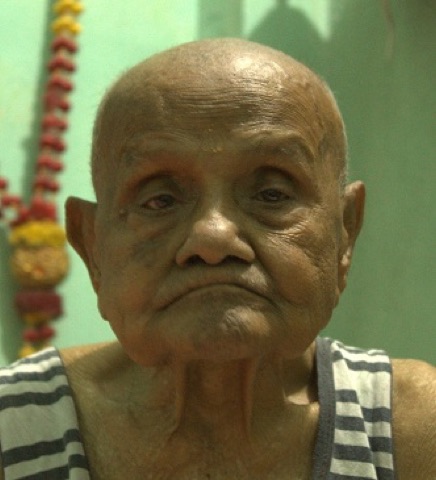
Manohar Aich
Bodybuilder who became India's first Mr. Universe (1952), the 'Pocket Hercules'.
Kumarsen Samarth
Film director and pioneer of the Films Division of India; father of actresses Nutan and Tanuja.
Jyoti Basu
Chief Minister of West Bengal for over 23 years (1977–2000), among India's longest-serving chief ministers; known for land reforms and panchayat empowerment.
Acharya Janaki Vallabh Shastri
Hindi and Sanskrit poet of Muzaffarpur whose lyrical songs and long literary career made him one of Bihar's best-loved writers.
Biju Patnaik
Pilot, freedom fighter and twice Chief Minister of Odisha who flew daring missions for Indonesia's independence and shaped modern Odisha.
Govind Narain
ICS officer who served as Union Home Secretary, Defence Secretary and Governor of Karnataka.
Shobhna Samarth
Actress and filmmaker of the 1930s–50s, famous as Sita in Ram Rajya; mother of Nutan and Tanuja.
Chitragupta
Hindi and Bhojpuri film composer of the 1950s–70s; scored the first Bhojpuri film Ganga Maiyya Tohe Piyari Chadhaibo and classics in Oonche Log and Bhabhi.
Suniti Choudhury
Teenage revolutionary who, with Santi Ghosh, shot the Comilla district magistrate in 1931.
Maharishi Mahesh Yogi
Founder of the Transcendental Meditation movement, which spread worldwide from the 1960s; the Beatles were among his students, and he founded schools and universities in many countries.
Barin Mazumder
Bangladeshi classical musician and educator who founded a pioneering music college in Dhaka.
Air Chief Marshal Hrushikesh Moolgavkar
9th Chief of the Air Staff; Maha Vir Chakra recipient.
Chandrika Prasad Srivastava
Secretary-General of the UN's International Maritime Organization for 16 years (1974–1989).
Siddhartha Shankar Ray
Chief Minister of West Bengal, Governor of Punjab, Union minister and Ambassador to the United States.
Satyajit Ray
World-renowned filmmaker of the Apu Trilogy, Charulata and Jalsaghar; also author of the Feluda stories. Honorary Oscar 1992 and Bharat Ratna.
Mahasundari Devi
Madhubani painting master and Padma Shri awardee who helped popularise Mithila art.
Mukesh
Beloved playback singer, the voice of Raj Kapoor, with songs like 'Kahin Door Jab Din Dhal Jaaye'; won the National Award for 'Kai Baar Yuhi Dekha Hai'.
Gopaldas Neeraj
Beloved Hindi poet and film lyricist ('Kaarvan guzar gaya', 'Likhe jo khat tujhe'); awarded the Padma Shri and Padma Bhushan and won three Filmfare Awards for lyrics.
Bal Thackeray
Cartoonist-turned-politician who founded the Shiv Sena and dominated Maharashtra politics for decades.
Dharamvir Bharati
Hindi poet, novelist and playwright (Gunahon Ka Devta, Andha Yug); long-time editor of the influential weekly Dharmyug. Padma Shri 1972.
General Arun Shridhar Vaidya
13th Chief of the Army Staff, from a Chandraseniya Kayastha Prabhu family; decorated with two Maha Vir Chakras for the 1965 and 1971 wars and the Param Vishisht Seva Medal.
Lt Gen S. K. Sinha
Vice Chief of Army Staff, later Ambassador to Nepal and Governor of Assam and of Jammu and Kashmir.
Ranen Ayan Dutt
Indian painter, illustrator and advertising artist from Sylhet, noted for murals and portraits.
Basanta Choudhury
Distinguished Bengali film actor of the 1950s–1980s, noted for historical and character roles.
Ganga Devi
Renowned Madhubani painter of the kachni line-drawing style, Padma Shri awardee.
Girish Chandra Saxena
IPS officer, Director of R&AW, and twice Governor of Jammu and Kashmir.
Mrinal Gore
Socialist leader and Member of Parliament from Mumbai, known as 'Paniwali Bai' for her fight to bring water to the suburbs, and a lifelong voice for women, the poor and consumers.
Beohar Rammanohar Sinha
Artist who helped illuminate and decorate the original manuscript of the Constitution of India.
Sheila Dhar
Hindustani classical singer of the Kirana gharana and author of the memoir Raga'n Josh.
Shyamal Mitra
Iconic Bengali playback singer, composer and film producer of the golden era of Bengali music.
Utpal Dutt
Legendary Bengali theatre director and actor, beloved in Hindi comedies such as Gol Maal.
Badri Narain Sinha
Hindi critic, poet and journalist; his Prathmiki is a landmark of Hindi criticism, written while serving as an IPS officer.
Godawari Dutta
Mithila (Madhubani) painter in the Kayastha kachni style, awarded the Padma Shri.
Shrikant Verma
Hindi poet of the Nayi Kavita movement, author of Magadh, and later a Rajya Sabha member.
Justice J. S. Verma
27th Chief Justice of India; author of the Vishaka guidelines and chair of the Verma Committee on criminal law reform.
Madhur Jaffrey
Award-winning actress and world-renowned writer and television presenter on Indian cookery.
Nitun Kundu
Bangladeshi sculptor and artist who founded the furniture company Otobi and designed national monuments.
Dinesh Nandan Sahay
IPS officer and Bihar DGP who became the first Governor of Chhattisgarh and later Governor of Tripura.
Nutan
Five-time Filmfare Best Actress and one of Hindi cinema's greatest actresses (Bandini, Sujata).
General Shankar Roychowdhury
Chief of the Army Staff of the Indian Army (1994–1997), later a Rajya Sabha member.
Yashwant Sinha
IAS officer turned politician; served as Union Finance Minister and External Affairs Minister, presenting several Union Budgets.
Justice V. N. Khare
33rd Chief Justice of India (2002–2004).
Amitabh Bachchan
The 'Shahenshah' of Hindi cinema, star of Zanjeer, Deewaar and Sholay; host of Kaun Banega Crorepati. Dadasaheb Phalke Award and Padma Vibhushan.
Debu Bose
Indian film actor and former dancer who appeared in over 120 films across four decades.
Khagen Mahanta
Assamese folk and Bihu singer who brought Assamese folk music to a national audience.
Probir Roy
Particle physicist at TIFR, known for work in theoretical high-energy physics.
Dr. Manas Bihari Verma
Aeronautical scientist at DRDO who played a key role in developing the Tejas light combat aircraft; Padma Shri.
Dr. Shefalika Verma
Leading Maithili poet and author who also writes in Hindi and English; winner of the Sahitya Akademi Award for her autobiography Kist-Kist Jeevan.
Tanuja
Hindi and Bengali film actress of the 1960s–70s, known for Jewel Thief and Anubhav.
Justice S. B. Sinha
Judge of the Supreme Court of India and former Chief Justice of the Delhi High Court.
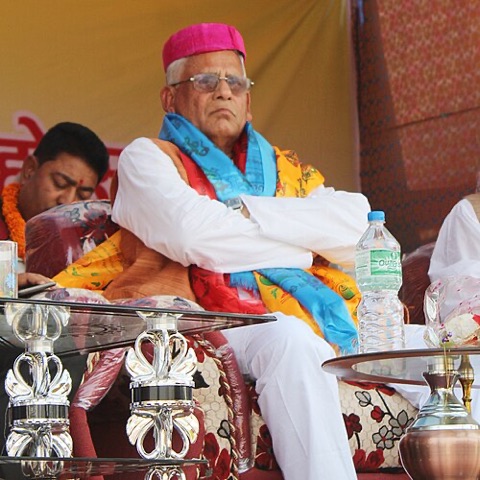
Ratneshwar Lal Kayastha
Nepalese politician who served as the first Governor of Province No. 2 (Madhesh).
Shatrughan Sinha
'Shotgun' of Hindi cinema, known for Kalicharan and Vishwanath and his trademark 'Khamosh!'; later a Union Minister and Member of Parliament.
Naveen Patnaik
Chief Minister of Odisha for 24 years (2000–2024), the second-longest-serving chief minister in India, founder-leader of the Biju Janata Dal.
Kiran Karnik
ISRO space-applications scientist behind the SITE satellite TV experiment; later headed Discovery India and NASSCOM.
Nitin Mukesh
Hindi film playback singer, son of Mukesh, known for his songs in Hindi films of the 1980s.
Shovana Narayan
Internationally acclaimed Kathak dancer and choreographer who also served as an officer of the Indian Audit and Accounts Service; awarded the Padma Shri and the Sangeet Natak Akademi Award.
Subodh Kant Sahay
Congress leader from Jharkhand who served as Union Minister of Tourism and of Food Processing.
Randhir Prasad Verma, AC
IPS officer killed while foiling a bank robbery in Dhanbad; posthumously awarded the Ashoka Chakra.
Ranjit Sinha
IPS officer who served as Director of the Central Bureau of Investigation (2012–2014).
Subir Nandi
Bangladeshi playback and modern song singer, recipient of the Ekushey Padak.
Air Chief Marshal Arup Raha
21st Chief of the Air Staff and Chairman of the Chiefs of Staff Committee.
Ravi Shankar Prasad
Senior advocate and Union Minister for Law & Justice and for Electronics & IT, closely associated with the Digital India programme.
Justice Navin Sinha
Judge of the Supreme Court of India and former Chief Justice of the Rajasthan High Court.
Yashvardhan Kumar Sinha
Indian Foreign Service diplomat; High Commissioner to the UK and later Chief Information Commissioner.
Swami Niranjanananda Saraswati
Successor of Swami Satyananda and head of the Bihar School of Yoga at Munger, founder of Bihar Yoga Bharati; awarded the Padma Bhushan in 2017.
Uddhav Thackeray
Shiv Sena (UBT) leader and former Chief Minister of Maharashtra (2019–2022), son of Bal Thackeray.
Shekhar Suman
Actor, television host and producer who debuted in Utsav (1984) and became a household name with Dekh Bhai Dekh and the satirical talk show Movers & Shakers.
Jayant Sinha
Economist and former Union Minister of State for Finance and Civil Aviation; MP from Hazaribagh.
Raju Srivastav
Celebrated Hindi stand-up comedian and actor, famous for his character Gajodhar.
Aadesh Shrivastava
Bollywood music composer and singer, known for the scores of Baghban and Chalte Chalte.
Raj Thackeray
Founder and president of the Maharashtra Navnirman Sena, nephew of Bal Thackeray and a noted cartoonist.
Vishvas Sarang
BJP leader and Madhya Pradesh cabinet minister, MLA from Narela, Bhopal.
Sonali Bendre
Hindi film actress of the 1990s (Sarfarosh, Hum Saath-Saath Hain) and television judge.
Abhishek Bachchan
Hindi film actor known for Yuva, Guru and the Dhoom series; son of Amitabh Bachchan and grandson of the poet Harivansh Rai Bachchan.
Chinmay Mandlekar
Marathi actor, writer and director, known for playing Shivaji Maharaj on screen.
Nitin Nabin
BJP leader and multi-term MLA from Patna; Bihar cabinet minister.
Neil Nitin Mukesh
Hindi film actor known for Johnny Gaddaar, New York and Players; grandson of the singer Mukesh.
Shriya Saran
Leading actress in Telugu, Tamil and Hindi cinema, known for Sivaji and Drishyam.
Jui Gadkari
Marathi television actress known for Pudhcha Paaul and Tharala Tar Mag.
Tejashri Pradhan
Marathi television and film actress, popular for the serial Honar Suun Mee Hya Gharchi.
Smrity Sinha
Actress working mainly in Bhojpuri films and Hindi television serials.
Chitra Singh
Ghazal singer who, with her husband Jagjit Singh, popularised the ghazal in the 1970s and 1980s.
January
- 1Dr. Sampurnanand (1891)
- 1Satyendra Nath Bose (1894)
- 1Khagen Mahanta (1942)
- 1Sonali Bendre (1975)
- 4Gopaldas Neeraj (1924)
- 5Barindra Kumar Ghosh (1880)
- 5Paramahansa Yogananda (1893)
- 5Girish Chandra Saxena (1928)
- 9Dr. Vrindavan Lal Verma (1889)
- 12Swami Vivekananda (1863)
- 12Maharishi Mahesh Yogi (1918)
- 14C. D. Deshmukh (1896)
- 14Shyamal Mitra (1929)
- 15Neil Nitin Mukesh (1982)
- 16Sukumar Sen (1900)
- 17Krishnadevaraya (1471)
- 18Justice J. S. Verma (1933)
- 23Netaji Subhas Chandra Bose (1897)
- 23Bal Thackeray (1926)
- 25Michael Madhusudan Dutt (1824)
- 25Ashwini Kumar Dutta (1856)
- 27General Arun Shridhar Vaidya (1926)
- 29Swami Pranavananda (1896)
February
- 2Dinesh Nandan Sahay (1936)
- 2Chinmay Mandlekar (1979)
- 5Acharya Janaki Vallabh Shastri (1916)
- 5Abhishek Bachchan (1976)
- 6Bhaktisiddhanta Sarasvati (1874)
- 13Vasudeo Sitaram Bendrey (1894)
- 14Swami Niranjanananda Saraswati (1960)
- 15Rajendralal Mitra (1824)
- 15Barin Mazumder (1919)
- 21Sir Shanti Swarup Bhatnagar (1894)
- 23Kaliprasanna Singha (1841)
- 25Jagdamba Devi (1901)
March
April
May
June
July
- 1Dr. Bidhan Chandra Roy (1882)
- 6Nagendranath Basu (1866)
- 8Jyoti Basu (1914)
- 8Chandrika Prasad Srivastava (1920)
- 8Jui Gadkari (1988)
- 13Gourishankar Ray (1838)
- 13Shibban Lal Saxena (1906)
- 18Kadambini Ganguly (1862)
- 22Mukesh (1923)
- 23Kaliprosanna Ghosh (1843)
- 27Uddhav Thackeray (1960)
- 29Dr. Manas Bihari Verma (1943)
- 31Munshi Premchand (1880)
August
- 2Acharya Prafulla Chandra Ray (1861)
- 4Birendra Krishna Bhadra (1905)
- 8Atulya Ghosh (1904)
- 8Justice S. B. Sinha (1944)
- 9Acharya Shivpujan Sahay (1893)
- 9Dr. Shefalika Verma (1943)
- 13Romesh Chunder Dutt (1848)
- 13Madhur Jaffrey (1933)
- 15Sri Aurobindo (1872)
- 17Niranjan Pal (1889)
- 19Justice Navin Sinha (1956)
- 28Firaq Gorakhpuri (1896)
- 30Bhagwati Charan Verma (1903)
- 30Ravi Shankar Prasad (1954)
September
October
November
- 2Dhirendranath Datta (1886)
- 3Chaturbhuj Sahay (1883)
- 6Yashwant Sinha (1937)
- 7Bipin Chandra Pal (1858)
- 10Dr. Sachchidananda Sinha (1871)
- 15Ganesh Prasad (1876)
- 16Chitragupta (1917)
- 17Kumarsen Samarth (1913)
- 17Shobhna Samarth (1916)
- 18Batukeshwar Dutt (1910)
- 18Shrikant Verma (1931)
- 19Subir Nandi (1953)
- 24Ranen Ayan Dutt (1927)
- 27Harivansh Rai Bachchan (1907)
- 30Sir Jagadish Chandra Bose (1858)
December
- 2Indra Lal Roy, DFC (1898)
- 2Debu Bose (1942)
- 3Dr. Rajendra Prasad (1884)
- 3Khudiram Bose (1889)
- 3Nitun Kundu (1935)
- 4Manikya Lal Verma (1897)
- 7Shekhar Suman (1962)
- 9Shatrughan Sinha (1945)
- 10Sir Jadunath Sarkar (1870)
- 17Prem Behari Narain Raizada (1901)
- 23Brajendranath De (1852)
- 25Dharamvir Bharati (1926)
- 25Raju Srivastav (1963)
- 26Air Chief Marshal Arup Raha (1954)
- 29Vishvas Sarang (1971)
- 31Krishna Ballabh Sahay (1898)
Dates and places of birth follow Wikipedia and Wikidata; photos are from Wikimedia Commons or GKC's own archive, with credits on each profile. Profiles from GKC's “हमारी विभूतियाँ” column keep the original Hindi article. Suggestions and corrections are welcome through Contact Us.